 Nothing found for the request

Casino & Gaming Market Trends 2026: What’s Driving Growth
Sologe March 31, 2026
Share:


Global Market Size and Growth Projections
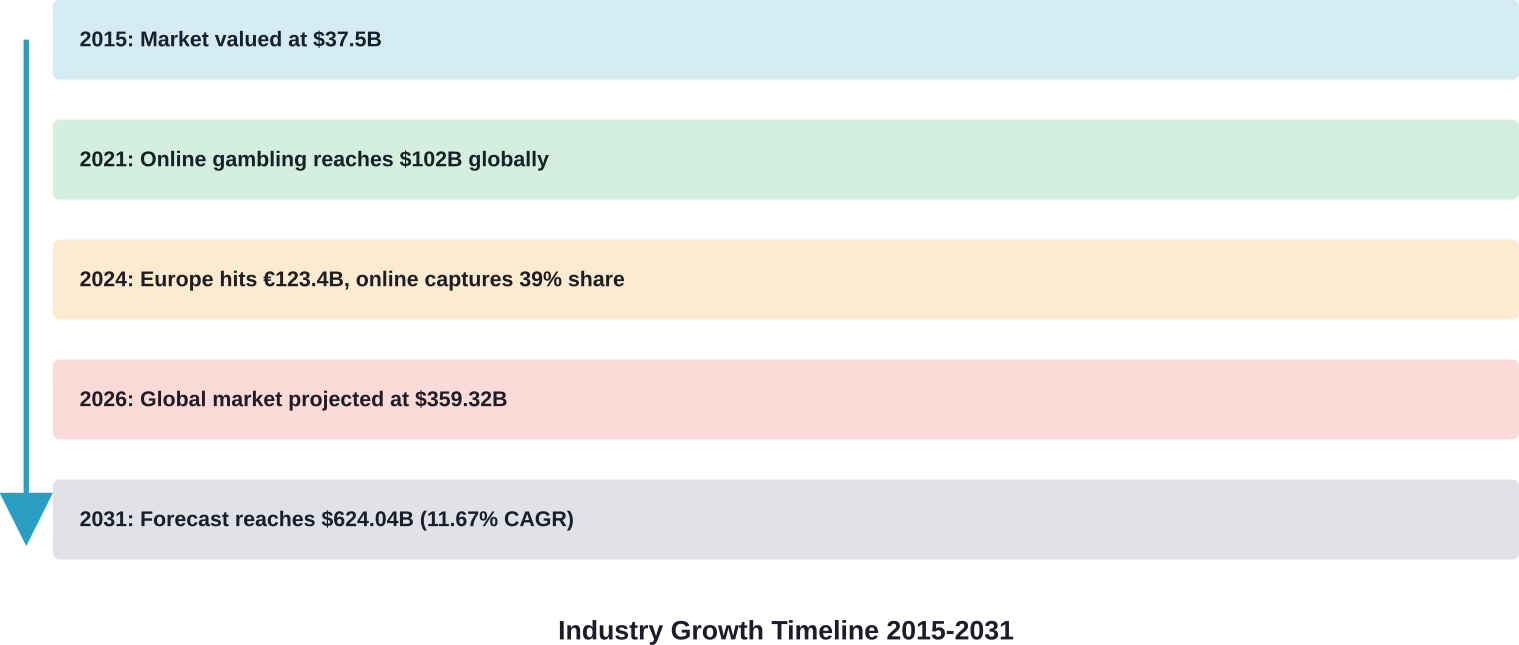
The casino gambling market is projected to reach USD 359.32 billion in 2026, according to market analysis data. With a compound annual growth rate of 11.67%, the sector is expected to hit USD 624.04 billion by 2031.
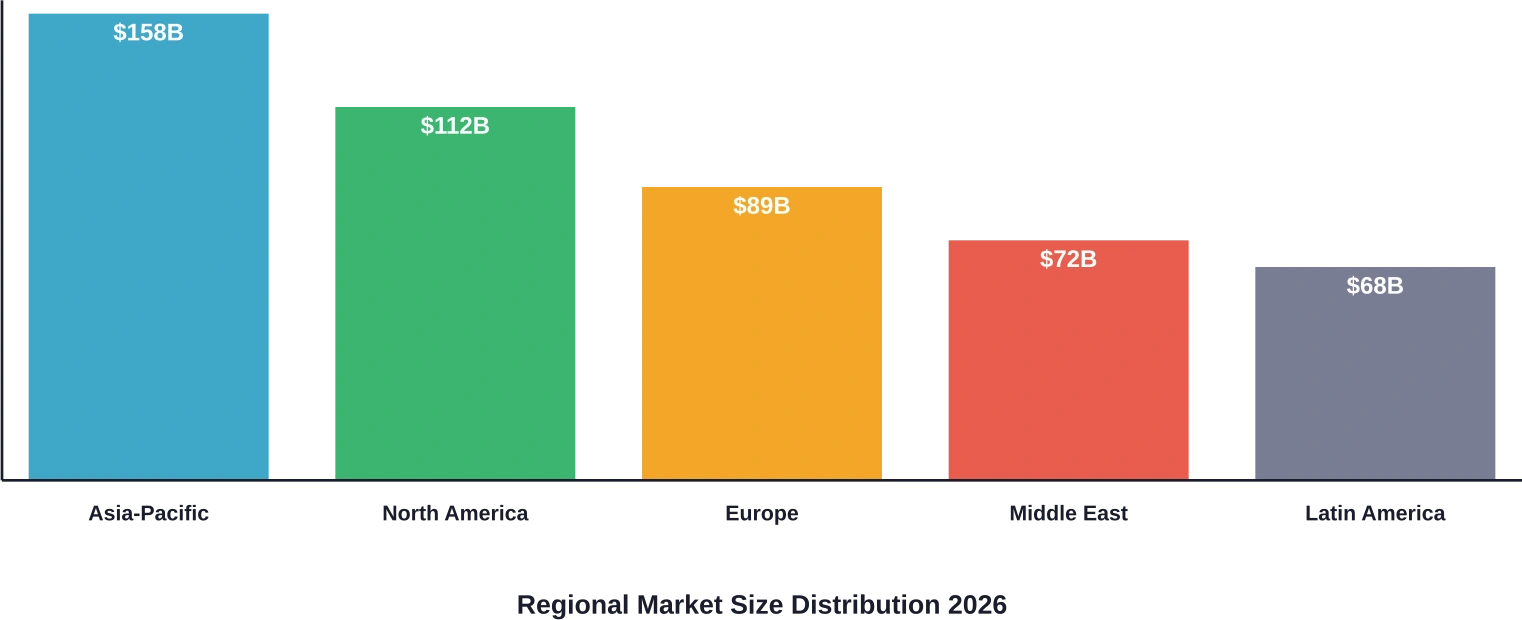
Different regions show distinct patterns. Asia-Pacific leads in market size, with Macau and Singapore anchoring recovery from pandemic-era disruptions. The Middle East is emerging as a new frontier, with selective greenfield projects linking gaming with high-end hospitality experiences.
The United States remains the largest single-country market, forecast to generate $63.17 billion in 2025. Regional regulatory changes continue to shape market access and growth potential across different jurisdictions.
Online Gambling Takes Center Stage
The online gambling segment has experienced remarkable expansion. Historical data from H2 Gambling Capital shows the market was valued at approximately $37.5 billion in 2015. By 2023, this figure had more than doubled.
Sports betting dominates the online space, accounting for over 50% of online gambling revenue in 2024. Casino games, poker, and bingo constitute the remaining segments, with each showing distinct growth patterns.
Ontario gaming sites generated $730.7 million in gross revenue in 2024, representing a 35% increase. This regional data point illustrates the impact of regulatory frameworks that channel consumer demand toward licensed operators.
Desktop vs. Mobile: The Device Divide
Desktop platforms still hold significant market share, but the trajectory is clear. Mobile devices generated 58% of online revenue in 2024, and this percentage continues climbing.
The shift toward mobile reflects broader consumer behavior trends. Players want convenience, instant access, and the ability to engage from anywhere. Gaming operators have responded by optimizing interfaces for smaller screens and developing native applications.
Desktop platforms are not disappearing entirely. High-stakes poker players and serious bettors often prefer larger screens for complex decision-making. But for casual gaming and sports betting, mobile has become the default choice.
Stay Visible in the Gaming Industry

When attention shifts to new reports and market updates, vendors still need a steady way to be found. Sologe is a dedicated iGaming marketplace built to help gaming businesses find suppliers, software, platforms, and service partners. Vendors use it to present their products, services, and company profiles in one place, while buyers use the platform to search, compare, and start business conversations.
Want Ongoing Visibility in the Gaming Industry?
Use Sologe to:
- present your company in a marketplace built for gaming businesses
- make your products or services easier for buyers to find
- stay visible year-round on a dedicated industry platform
👉 Get in touch with Sologe to discuss listing your company as a vendor.
AI and Personalization Reshape Player Experience
Artificial intelligence is transforming how operators interact with customers. According to research published by the National Institutes of Health, AI personalization significantly influences online gambler behavior through algorithmic recommendations and customized offers.
By 2021, the online gambling segment had matured into a major share of global gambling, generating an estimated USD 102 billion in revenue, according to research on AI personalization in online gambling. The United Kingdom was the single largest market at that time, demonstrating how established regulatory frameworks enable market development.
AI-driven mechanisms affect cognitive processes and decision-making patterns. Operators use machine learning to analyze player behavior, predict preferences, and deliver targeted content. This creates more engaging experiences but also raises questions about responsible gambling practices.
Responsible Gaming Technology
The industry is implementing new tools to promote safer gambling. EGBA announced a comprehensive pledge on responsible influencer marketing and launched European Safer Gambling Week 2025, which achieved record participation.
Research published by NIH reveals concerning patterns: few customers accurately recall their past 30-day spending on electronic gaming machines. Among 187 Australian EGM customers surveyed, accuracy rates were low across age groups.
This research underscores the importance of transparency tools, spending limits, and reality checks that help players maintain awareness of their gambling activity.
Technology Solution | Function | Implementation Status |
|---|---|---|
AI Behavior Detection | Identifies problematic gambling patterns | Widely deployed in licensed markets |
Spending Trackers | Real-time expenditure monitoring | Mandatory in several EU jurisdictions |
Self-Exclusion Systems | Cross-platform player restrictions | Integrated across major operators |
Reality Check Prompts | Time and money awareness alerts | Standard feature in online platforms |
Esports and Competitive Gaming Growth
Competitive gaming has evolved from hobby to industry. Esports now represents a $2.13 billion global market, according to American Military University research published in late 2025.
The global esports audience reached 641 million viewers, with revenue increasing 16% since 2024. Major brands are investing heavily in sponsorships, and traditional sports organizations are launching their own esports divisions.
In the case of NBA 2K, the NBA and Take-Two Interactive co-own the league, demonstrating how traditional sports and gaming companies are partnering to create new entertainment formats.
University Esports Participation
Research published by NIH examined gaming habits among university students across 30 European institutions in 2023/2024. The sample of 1,073 student gamers revealed high interest in university esports, with 579 students (54.0%) expressing involvement.
The study found that greater involvement in gaming correlates with stronger interest in competitive esports. Male participation continues to dominate, though female engagement is growing in specific game categories.
This academic interest creates pipeline development for professional esports careers and expands the overall gaming audience.
Regional Market Dynamics
Different regions face unique challenges and opportunities. Asia-Pacific shows the fastest growth rate, driven by expanding middle-class populations and increasing smartphone penetration.
Macau remains the world’s largest casino market by revenue, though the destination continues adapting to regulatory changes that emphasize non-gaming amenities and diversified entertainment offerings.
The Middle East is emerging as an unexpected player. Selective high-end resort projects are incorporating gaming elements alongside luxury hospitality, targeting international tourists rather than local populations.
North American Tribal Gaming
According to research from the Brookings Institution, Tribal governments have collectively scaled a $43.9 billion gaming industry in 2024 comprised of gaming revenues and related enterprises. This sector is facing new challenges from online sports betting and prediction markets.
According to Brookings research, the boom in online sports betting through prediction markets such as Kalshi, Crypto.com, and Robinhood creates an existential threat to Tribal sovereignty and economies, as these digital platforms operate outside traditional Tribal-state compact frameworks. Gaming on Indian lands requires specific authorization, and digital expansion complicates established legal structures.
Technology Integration and Blockchain
Blockchain technology is entering the gaming space through multiple pathways. Cryptocurrency payments offer faster transactions and enhanced privacy for international players.
Smart contracts enable provably fair gaming, where players can verify that outcomes aren’t manipulated. This transparency builds trust, particularly among younger demographics comfortable with digital currencies.
NFT integration remains experimental. Some operators have launched collectible programs, but mainstream adoption faces regulatory uncertainty and questions about long-term value proposition.
Regulatory Landscape Evolution
Regulation shapes market structure more than any other factor. Across European markets, licensed operators hold numerous online gambling licenses, each with strict compliance requirements.
Beyond licensing requirements, members adhere to industry standards on responsible advertising, anti-money laundering, and player protection. These frameworks create barriers to entry but also establish consumer confidence.
The European standardization process achieved a significant milestone when an overwhelming majority of national bodies voted in favor of new player protection standards. This harmonization facilitates cross-border operations while maintaining high safety benchmarks.
United States State-by-State Expansion
The U.S. market continues fragmenting as individual states adopt their own regulatory approaches. Some embrace full online casino gaming, others permit only sports betting, and several maintain prohibition.
This patchwork creates operational complexity but also drives innovation as operators develop flexible platforms that can adapt to different regulatory requirements.
Player Demographics and Behavior Shifts
The player base is diversifying. Historical stereotypes of casino patrons no longer match reality. Younger demographics engage primarily through mobile sports betting and esports wagering rather than traditional casino games.
Female participation is increasing across multiple gaming categories. Operators are adjusting marketing strategies and game design to appeal to broader audiences beyond the traditional male-dominated customer base.
Social gaming serves as a pipeline. Players who start with free-to-play social casino apps often transition to real-money gambling as they age and gain disposable income.
Age Group | Preferred Platform | Popular Game Type | Average Session |
|---|---|---|---|
18-25 | Mobile apps | Sports betting, esports | 15-20 minutes |
26-40 | Mobile and desktop | Casino games, poker | 30-45 minutes |
41-55 | Desktop and retail | Slots, table games | 60+ minutes |
56+ | Retail locations | Slots, bingo | 90+ minutes |
Content and Game Innovation
Game developers are creating increasingly sophisticated content. Modern slots incorporate narrative elements, progression systems, and social features that blur lines between gaming and gambling.
Live dealer games bridge online and land-based experiences. Real dealers operate physical tables while multiple remote players participate via video streams. This format has proven particularly popular in European and Asian markets.
Poker continues evolving through omnichannel strategies that leverage loyalty program integration. Operators use online satellite events to qualify players for high-profile live tournaments, creating unified player journeys across digital and physical venues.
Market Concentration and Competitive Landscape
The industry shows medium concentration. Major players include Las Vegas Sands, MGM Resorts, Caesars Entertainment, Galaxy Entertainment, and Genting Group, but numerous regional operators maintain strong positions in local markets.
Recent membership expansion at EGBA included Tipico, Germany’s leading sports betting operator, and earlier additions of Superbet Group and LeoVegas Group. This growth reflects industry consolidation trends alongside continued new entrant activity.
Challenges Facing the Industry
Not everything is smooth sailing. Problem gambling remains a persistent concern despite technological interventions. Research indicates that understanding of past and future spending among electronic gaming machine customers is poor, with few accurately recalling or predicting their 30-day expenditure.
Regulatory fragmentation creates operational headaches. Operators serving multiple jurisdictions must navigate different licensing requirements, tax structures, responsible gambling mandates, and advertising restrictions.
The relationship between video gaming and addictive behaviors is attracting research attention. A 2025 scoping review published in the Journal of Behavioral Addictions examined connections between video gaming and cannabis use, noting that both behaviors are particularly prevalent among adolescents and young adults.
A 2025 article in Frontiers in Psychiatry examining hedonic consumption and behavioral addiction raises questions about whether digital entertainment—including gaming—should be viewed through the lens of behavioral addiction. This exploratory work prompts ongoing discussion about appropriate safeguards and age restrictions.
Future Outlook and Emerging Trends
The projected growth rate of 11.67% CAGR through 2031 assumes continued regulatory expansion and technological advancement. Several factors could accelerate or slow this trajectory.
Virtual reality integration remains on the horizon. While VR casinos exist in prototype form, mainstream adoption awaits better hardware accessibility and more compelling content libraries.
The metaverse concept generates buzz but limited practical implementation. Some operators are experimenting with virtual casino environments, but it’s unclear whether consumers want this level of immersion or prefer streamlined mobile experiences.
Climate and social governance considerations are entering operator strategies. EGBA’s 2024 Annual Sustainability Report revealed data on industry environmental impact and social responsibility initiatives, reflecting broader corporate accountability trends.
Payment System Evolution
Payment processing continues evolving rapidly. Instant bank transfers are replacing card transactions in some markets. Digital wallets dominate in others. Cryptocurrency adoption varies widely by jurisdiction and player demographic.
The key driver is friction reduction. Players want immediate deposits and fast withdrawals. Operators that streamline financial transactions gain competitive advantage, while those maintaining legacy systems lose market share.
Frequently Asked Questions
What is the current size of the global casino and gaming market?
The global casino gambling market is projected to reach USD 359.32 billion in 2026. In Europe alone, the gambling market reached €123.4 billion in 2024 according to EGBA data. Overall, the sector is expected to grow at a compound annual growth rate (CAGR) of 11.67%, reaching USD 624.04 billion by 2031.
How much of the gambling market is online versus land-based?
Online gambling accounted for 39% of Europe’s total gambling revenue in 2024, up from 37% in 2023. Land-based gambling still represents 61% of the market, although its share continues to decline as consumers shift toward digital platforms. Mobile devices generated 58% of online revenue in 2024.
Which regions show the fastest growth in casino and gaming?
Asia-Pacific demonstrates the strongest regional growth, led by recovery in Macau and Singapore. The Middle East is emerging as a new high-end gaming destination through integrated resort projects. The United States remains the largest single-country market, forecast to generate $63.17 billion in 2025.
What role does AI play in modern gambling platforms?
Artificial intelligence powers personalization through algorithmic recommendations and targeted offers based on player behavior. Research indicates AI significantly influences user engagement in online gambling. It also supports responsible gaming by detecting risky behavior patterns and triggering preventative interventions.
How big is the esports betting market?
Esports has grown into a $2.13 billion global industry with approximately 641 million viewers worldwide. Revenue has increased by 16% since 2024, driven by strong investment from major brands and the expansion of competitive gaming ecosystems. Betting on esports is also growing in regulated markets.
What are the main challenges facing the gambling industry?
Key challenges include problem gambling and responsible gaming concerns, regulatory fragmentation across jurisdictions, and increasing scrutiny around player protection. Research shows that many players struggle to accurately track spending, prompting calls for stronger safeguards and regulatory oversight.
Will cryptocurrency become standard in online gambling?
Cryptocurrency adoption in gambling varies by region and player demographic. Blockchain technology enables faster transactions and provably fair gaming, which appeals to tech-savvy users. However, regulatory uncertainty and price volatility limit widespread adoption. Most operators are moving toward offering crypto as an optional payment method rather than a standard.
Conclusion
The casino and gaming industry stands at an inflection point. With online gambling capturing nearly 40% of European market share and mobile devices dominating digital engagement, the sector is fundamentally different from even five years ago.
Growth projections remain strong—11.67% CAGR through 2031 represents substantial expansion. But this growth depends on maintaining consumer trust through responsible gambling measures, navigating complex regulatory environments, and continuing technological innovation.
AI personalization, blockchain integration, and esports expansion create new revenue opportunities. Regional dynamics in Asia-Pacific, the Middle East, and state-by-state U.S. legalization add growth channels. The challenge lies in balancing commercial objectives with player protection and social responsibility.
For operators, the imperative is clear: invest in mobile-first experiences, implement robust responsible gambling tools, and develop omnichannel strategies that integrate digital and physical touchpoints. For regulators, the task is creating frameworks that protect consumers while enabling legitimate business development.
The next five years will determine whether the industry successfully manages this transition—or whether regulatory backlash and social concerns constrain growth potential. Based on current data, the trajectory points toward continued expansion with increasing sophistication in both technology and governance.
Related Articles

September 29, 2026Is the Casino Legal in Japan? The Real Answer...

September 29, 2026Is the Casino Legal in Gambia? What the Law...