 Nothing found for the request
Casino Gaming Equipment Market 2026: Size & Forecast
Sologe March 27, 2026
Share:


Market Size and Growth Projections
The casino gaming equipment market has demonstrated consistent expansion, with source materials indicating market values of USD 11,026.3 million in 2019 and positioning itself for sustained growth through the next decade.
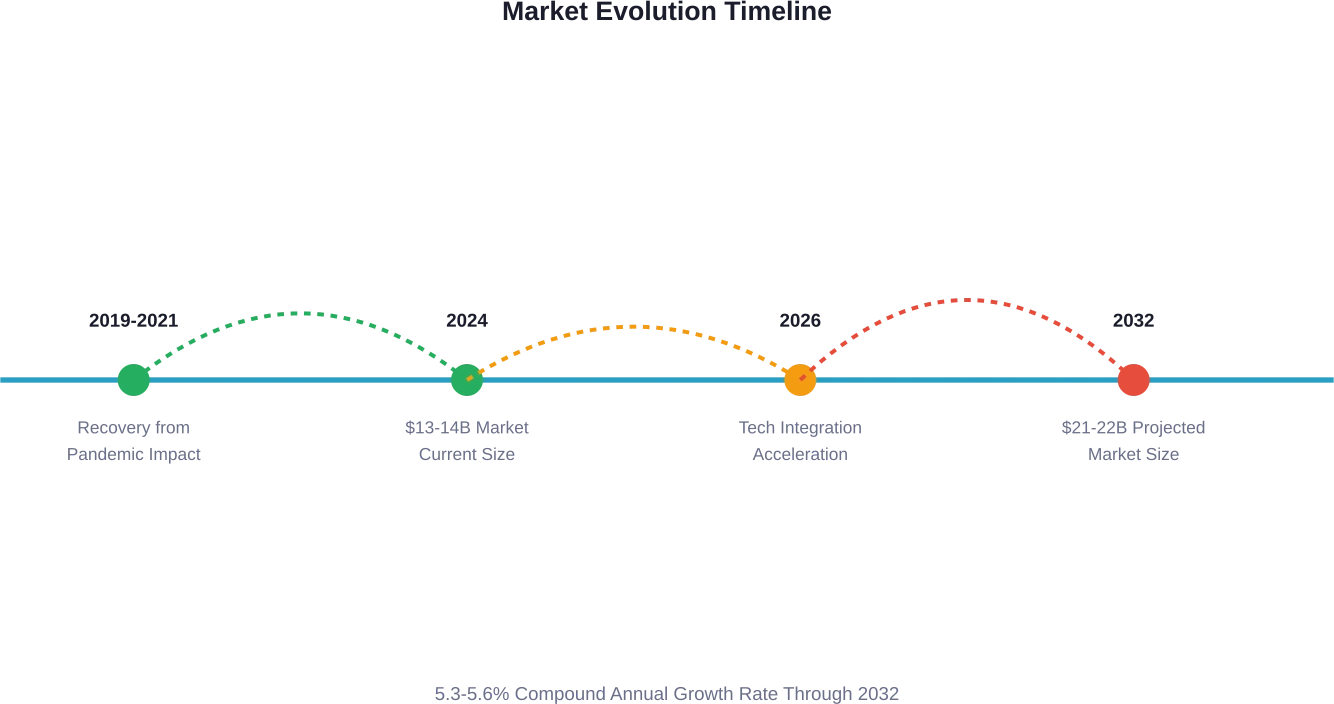
Market research indicates the industry was valued at USD 11,026.3 million in 2019 and projected to reach USD 13,191.8 million by 2027, registering a CAGR of 5.5% from 2021 to 2027. More recent analysis shows accelerated growth, with 2024 valuations ranging from USD 13.34 billion to USD 14.43 billion depending on methodology and market scope.
Forecast Through 2032
Looking ahead, the market trajectory remains positive. Conservative estimates from Market Research Future project the market reaching USD 11.98 billion by 2035 at a CAGR of 4.35%, starting from a 2024 baseline of USD 7.5 billion and growing from USD 7.826 billion in 2025. However, broader industry analyses suggest more aggressive growth patterns.
The most widely cited forecast, from Maximize Market Research, indicates the market will reach USD 22.32 billion by 2032, growing at 5.6% annually during the forecast period (2025–2032), with incremental annual increases through the period.
These variations in market size estimates reflect different methodological approaches, geographic scopes, and product category definitions. Some analyses focus exclusively on electromechanical gaming equipment, while others include broader casino infrastructure.
Get Your Equipment Offering in Front of Gaming Buyers

For companies in the casino gaming equipment market, visibility is often as important as the product itself. Sologe is an iGaming marketplace where operators and gaming businesses look for suppliers, software, platforms, and service partners. Vendors use it to present products, company profiles, and offerings in one place, inside a platform built for discovery and business connections.
Want to Reach Buyers Looking for Gaming Equipment?
Use Sologe to:
- show your offering to companies actively searching for vendors
- present your company and product information in one place
- stay visible year-round inside a dedicated gaming marketplace
👉 Get in touch with Sologe to discuss listing your company as a vendor.
Key Market Segments
The casino gaming equipment market encompasses several distinct product categories, each serving specific gaming formats and operator needs.
Slot Machines
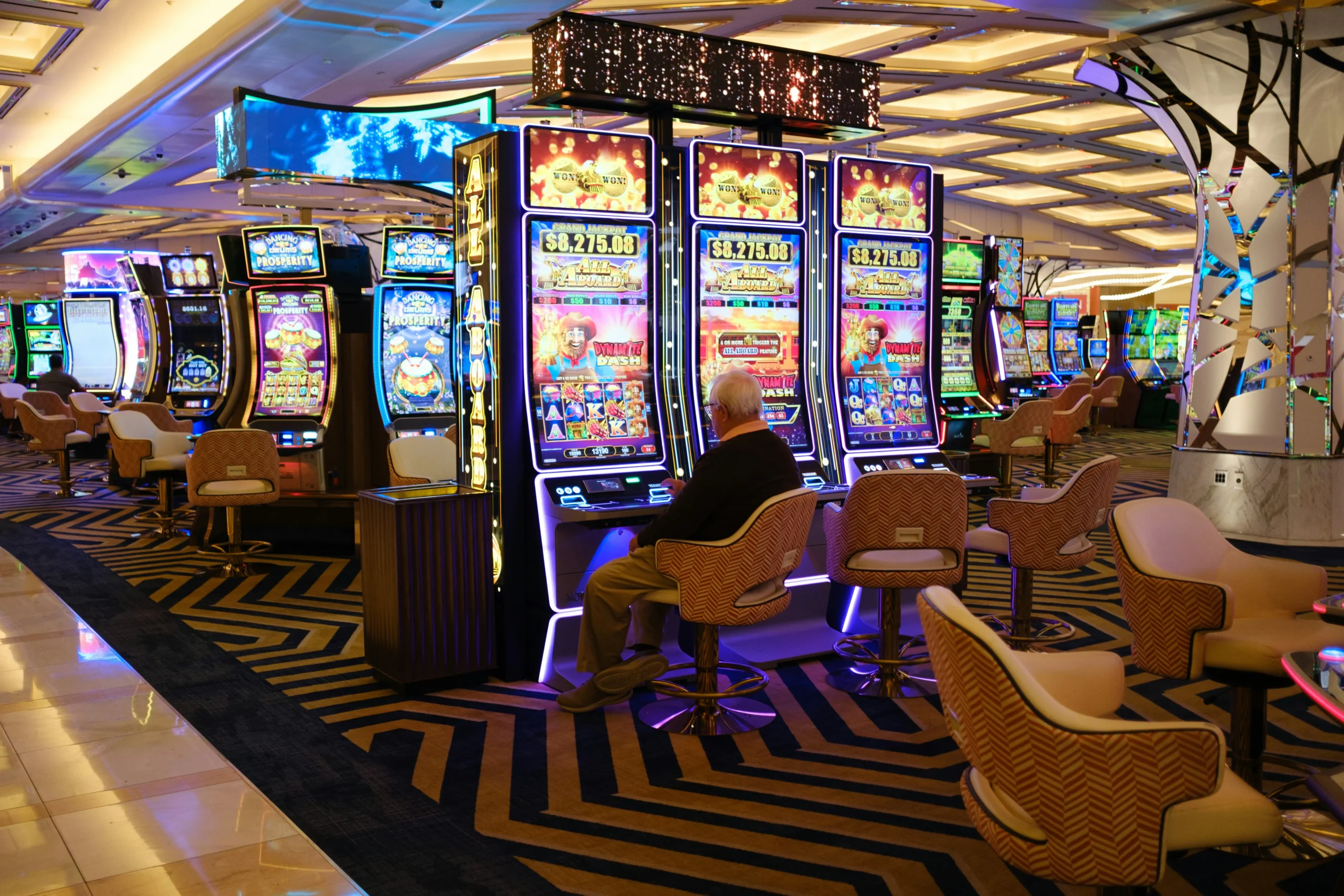
Slot machines represent the largest segment within the casino gaming equipment market. These devices generate consistent revenue for casinos and continue to evolve with digital displays, progressive jackpot networks, and themed content partnerships.
Traditional mechanical slots have largely been replaced by video slot machines featuring multiple paylines, bonus rounds, and interactive gameplay elements. The integration of skill-based gaming features appeals to younger demographics while maintaining the core appeal to traditional slot players.
Video Lottery Terminals
Video lottery terminals (VLTs) function similarly to slot machines but connect to centralized systems that determine outcomes. These devices are particularly popular in markets where traditional slot machines face regulatory restrictions.
VLTs offer operators flexible configuration options and centralized management capabilities. The segment has grown significantly in jurisdictions that permit lottery-style gaming but maintain restrictions on traditional casino gambling.
Video Poker Machines
Video poker machines combine elements of slot machines with poker gameplay, attracting players who prefer skill-influenced outcomes. These devices typically feature lower house edges compared to traditional slots, appealing to more strategic gamblers.
The video poker segment maintains a stable market position despite being smaller than slots. Loyal player bases and favorable payout percentages ensure continued demand, particularly in North American markets.
Other Equipment Categories
The “others” category within casino gaming equipment is projected to witness the fastest growth. This segment includes:
- Gaming chips and currency handling systems
- Casino tables (blackjack, roulette, craps, baccarat)
- Electronic table game systems
- Card shufflers and dealing shoes
- Player tracking hardware
- Security and surveillance equipment
Electronic table games represent a particularly dynamic subsegment, combining live dealer experiences with digital interfaces that reduce labor costs while maintaining player engagement.
Installation and Operation Modes
Casino gaming equipment is categorized not only by product type but also by installation location and operational configuration.
Installed Inside Casino
The installed inside casino segment accounted for the largest market share historically and continues to dominate. These installations include all gaming equipment placed within licensed casino facilities, from integrated resorts to standalone gambling halls.
Interior casino installations benefit from controlled environments, comprehensive player tracking systems, and integrated loyalty programs. Operators can optimize floor layouts, manage machine performance metrics, and adjust game configurations based on real-time data.
Installed Outside Casino
Gaming equipment installed outside traditional casino environments includes devices placed in bars, restaurants, convenience stores, racetracks, and other venues where gambling is permitted. This segment has grown in jurisdictions with distributed gaming models.
Outside installations face different regulatory requirements, typically involving stricter payout limitations and enhanced remote monitoring capabilities. These locations expand market reach beyond destination gambling facilities into everyday consumer touchpoints.
Floor Mounted vs. Portable
By mode of operation, gaming equipment divides into floor-mounted and portable configurations. Floor-mounted units represent the traditional casino standard—permanently installed machines connected to power, networking, and jackpot systems.
Portable gaming equipment offers operational flexibility for temporary events, tournament configurations, or seasonal adjustments to casino floor layouts. While representing a smaller market segment, portable equipment serves specific operational needs that fixed installations cannot address.
Regional Market Analysis
Geographic distribution of casino gaming equipment demand reflects regional gambling regulations, economic conditions, and cultural attitudes toward gaming.
North America
North America, particularly the United States, generates the highest revenue in the global casino gaming equipment market. The region’s mature gambling industry, established casino operators, and ongoing equipment replacement cycles drive consistent demand.
Las Vegas remains the symbolic center of casino gaming, though regional casino expansion across multiple states has diversified equipment demand. The July 2025 merger between IGT and Everi for $6.2 billion exemplifies the scale and consolidation within the North American market.
Canada’s casino market, while smaller, maintains steady growth with provincial gaming authorities regularly upgrading equipment to meet consumer expectations and regulatory standards.
Asia-Pacific
The Asia-Pacific region is experiencing the fastest growth in casino gaming equipment demand. Several countries in the region have witnessed high GDP per capita growth that correlates with increased consumer spending on entertainment and gambling activities.
Real GDP per capita growth in key Asian developing countries from 2015-2017 illustrates this economic expansion:
Country | 2015 | 2016 | 2017 |
|---|---|---|---|
Uzbekistan | 6.6% | 7.8% | 5.3% |
China | 6.5% | 6.7% | 6.9% |
Myanmar | 6.1% | 5.9% | 6.4% |
India | 5.8% | 7.1% | 6.6% |
Vietnam | 6.7% | 6.2% | 6.8% |
Cambodia | 5.3% | 7.0% | 6.9% |
This economic growth translates into rising disposable incomes and increased consumer visits to casinos, driving demand for gaming equipment across the region.
Macau serves as Asia’s gambling epicenter, though regional competition from Singapore, Philippines, Cambodia, and emerging markets continues to expand. Each market presents unique regulatory frameworks that influence equipment specifications and deployment strategies.
Europe
European casino gaming equipment markets vary significantly by country, reflecting diverse regulatory approaches ranging from state monopolies to liberalized commercial gaming.
The United Kingdom maintains a mature, well-regulated casino market with established equipment standards. Continental Europe presents a patchwork of regulatory regimes, with some countries embracing casino expansion while others maintain restrictive policies.
Eastern European markets have shown growth potential as economic development and tourism increase demand for entertainment options including casino gaming.
Other Regions
Latin America represents an emerging market for casino gaming equipment, with countries like Argentina, Chile, and Colombia developing their gambling industries. Regulatory frameworks continue to evolve, creating opportunities for equipment manufacturers.
The Middle East and Africa present limited but growing markets. Regulatory restrictions in many countries limit casino development, though South Africa maintains an established gaming industry and select destinations pursue integrated resort strategies.
Market Drivers and Growth Factors
Several interconnected factors propel growth in the casino gaming equipment market.
Technological Advancements
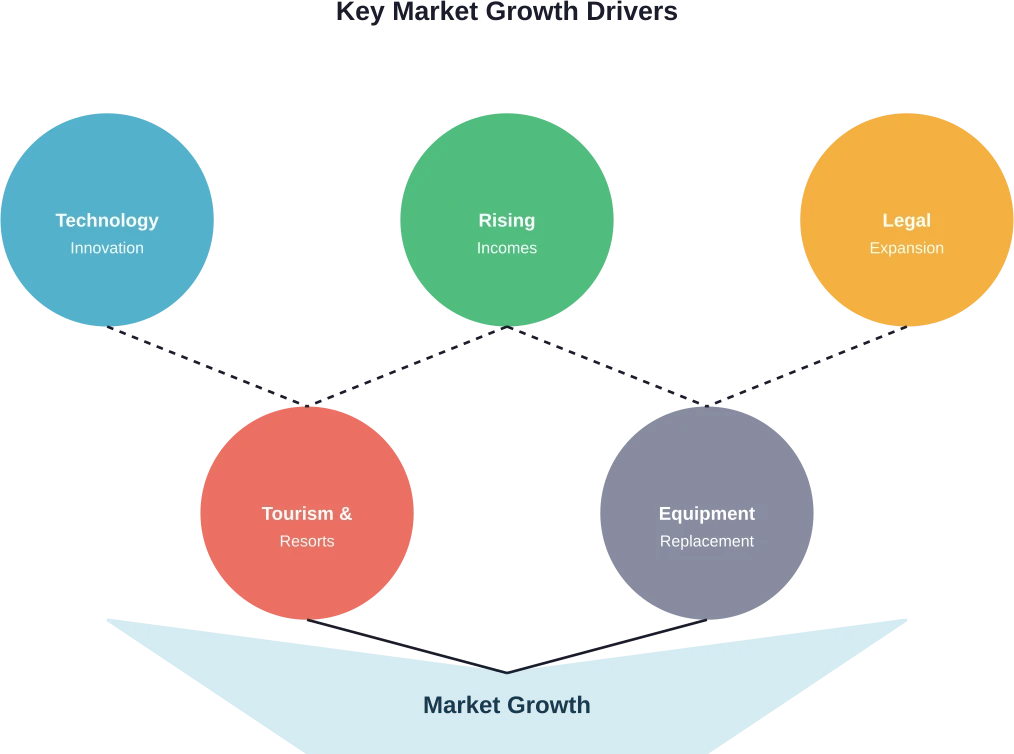
Technology represents the primary driver transforming casino gaming equipment. Modern slot machines and gaming devices incorporate:
- High-definition touchscreen displays with immersive graphics
- Server-based gaming architectures enabling remote configuration
- Cashless payment integration and digital wallet compatibility
- Advanced random number generation with enhanced security
- Multi-game platforms on single cabinets
- Progressive jackpot networking across properties
These technological enhancements improve player engagement, reduce operational costs, and enable operators to respond quickly to changing consumer preferences.
Integration of advanced technology enhances user experience significantly. Players increasingly expect entertainment value comparable to mobile gaming, streaming video, and other digital experiences that compete for leisure time.
Rising Disposable Incomes
Economic growth and rising disposable incomes directly correlate with increased casino visits and gaming spending. As middle-class populations expand globally, particularly in developing economies, more consumers have discretionary funds for entertainment activities including gambling.
Consumer spending on entertainment has grown substantially in recent years. Casino operators respond by upgrading equipment to meet elevated customer expectations and capture increased spending potential.
Gambling Legalization and Expansion
Regulatory changes permitting casino gambling in previously restricted markets create immediate demand for gaming equipment. Recent years have seen multiple jurisdictions legalize or expand gambling options:
- Sports betting legalization across numerous U.S. states
- Casino development in previously restricted Asian markets
- Online gambling regulation driving integrated resort development
- Tribal gaming expansion in North America
Each regulatory change opening new casino venues generates equipment procurement needs, benefiting manufacturers and suppliers.
Tourism and Integrated Resorts
The integrated resort model combining casinos with hotels, entertainment venues, shopping, and dining creates destination experiences that attract international tourists. These large-scale developments require substantial gaming equipment investments.
Tourism growth in casino destinations directly benefits equipment demand. Operators continuously refresh gaming floors to maintain competitive positioning and appeal to returning visitors seeking new experiences.
Replacement Cycles
Existing casinos maintain regular equipment replacement schedules, creating baseline demand independent of market expansion. Gaming machines typically undergo replacement every 5-7 years due to:
- Technology obsolescence
- Wear and tear from continuous operation
- Changing player preferences for newer game themes
- Regulatory compliance requirements
- Performance optimization based on floor analytics
This replacement cycle ensures consistent market demand even in mature gambling jurisdictions with limited new casino development.
Responsible Gaming Technology Considerations
The development of technology tools designed to mitigate, identify, or help manage problem gambling behavior has become increasingly important within the casino gaming equipment sector.
According to research presented at the 2019 International Conference on Gambling and Risk Taking, dramatic growth in responsible gaming technology has occurred, with equipment manufacturers and independent developers creating various tools. However, as noted in the research framework, there is currently no independent process for evaluating these technologies to measure their impact on healthy or at-risk gamblers.
The presentation emphasized the importance of developing an international assessment program aligned with existing regulatory processes that can efficiently evaluate responsible gaming technology to ensure it is safe, measurable, and aligned with current research. The principle of “first, do no harm” guides this approach, recognizing that well-intentioned responsible gaming policies and technology requirements have sometimes proved harmful at some level.
This focus on responsible gaming technology represents both a regulatory consideration and a market opportunity for equipment manufacturers who can demonstrate measurable positive impacts through independently validated systems.
Competitive Landscape and Key Players
The casino gaming equipment market features several established manufacturers competing globally alongside regional specialists serving local markets.
Major Industry Players
Leading companies in the casino gaming equipment market include:
- International Game Technology (IGT)
- Light & Wonder, Inc.
- Aristocrat Leisure Limited
- Konami Gaming
- Novomatic AG
- Ainsworth Game Technology
- Everi Holdings
- PlayAGS
- Crane Payment Innovations
These manufacturers compete on technology innovation, game content libraries, regulatory compliance capabilities, and aftermarket service networks.
Recent Industry Consolidation
In February 2024, gaming giant IGT returned to Las Vegas through a $6.2 billion merger with Everi. This consolidation exemplifies ongoing industry trends toward larger, more diversified gaming equipment suppliers capable of serving global markets with comprehensive product portfolios.
Mergers and acquisitions enable companies to expand geographic reach, acquire technology platforms, and achieve operational efficiencies. The capital-intensive nature of product development and regulatory compliance favors larger entities with resources to invest in next-generation gaming platforms.
Competitive Strategies
Market leaders employ several strategies to maintain competitive positioning:
- Content Development: Licensing popular entertainment brands for themed slot machines creates player appeal and differentiates otherwise similar hardware platforms.
- Technology Platforms: Server-based gaming architectures and cashless payment systems provide operational advantages that casino operators value beyond individual game performance.
- Regulatory Expertise: Companies with established relationships and approved products across multiple jurisdictions can deploy new equipment faster than competitors navigating regulatory processes.
- Service Networks: Comprehensive technical support, spare parts availability, and rapid response capabilities influence purchasing decisions for operators managing large equipment fleets.
Regulatory Environment
Casino gaming equipment operates within one of the most heavily regulated product categories globally. Regulatory frameworks significantly influence equipment specifications, testing requirements, and deployment timelines.
Certification and Testing
Gaming equipment must undergo rigorous testing and certification before deployment in regulated markets. Independent testing laboratories evaluate:
- Random number generator integrity and fairness
- Payout percentage compliance with regulatory minimums
- Security against tampering or manipulation
- Accuracy of accounting and metering systems
- Responsible gaming feature implementation
- Software integrity and change control
These certification processes can extend 6-12 months depending on jurisdiction, creating significant time-to-market considerations for new product development.
Jurisdictional Variations
Regulatory requirements vary substantially across jurisdictions. Equipment approved in Nevada may require modifications for New Jersey, tribal gaming jurisdictions, or international markets. This regulatory fragmentation increases development costs and complexity.
Some jurisdictions maintain technology-specific regulations that effectively mandate certain equipment configurations, while others establish performance standards allowing manufacturers flexibility in how compliance is achieved.
Software Development Regulation
Research on regulation of gaming device software development highlights the complex oversight applied to gaming equipment programming. Regulatory frameworks govern source code access, change management procedures, version control, and security protocols to ensure gaming integrity.
These software regulations reflect the critical importance of program integrity in determining game outcomes and financial accuracy. Manufacturers must maintain strict development protocols satisfying regulatory requirements across multiple jurisdictions.
Emerging Trends Shaping the Market
Several developments are reshaping the casino gaming equipment landscape beyond traditional product categories.
Skill-Based Gaming
Skill-based gaming represents an attempt to attract younger demographics who grew up with video games emphasizing player agency rather than pure chance. These hybrid games combine traditional gambling mechanics with skill elements that influence outcomes within regulated parameters.
Regulatory acceptance of skill-based gaming varies, with some jurisdictions permitting broader skill influence than others. Market adoption has been gradual as operators assess player response and revenue performance compared to traditional equipment.
Cashless Gaming Systems
The casino industry is transitioning toward cashless and digital payment integration. Modern gaming equipment increasingly supports:
- Mobile wallet integration
- Digital funds transfer
- Cryptocurrency acceptance (in permitting jurisdictions)
- Contactless payment methods
- Account-based wagering
This transition addresses operational costs associated with cash handling, provides enhanced player tracking, and aligns with broader consumer payment preference shifts toward digital transactions.
Virtual and Augmented Reality
While still emerging, virtual reality (VR) and augmented reality (AR) applications in casino gaming represent potential future growth areas. VR headsets could create immersive gaming experiences, while AR might overlay digital elements onto physical gaming environments.
Technical challenges including device costs, content development expenses, and regulatory frameworks for virtual gambling environments currently limit widespread adoption. However, manufacturers are exploring these technologies for future product development.
Data Analytics and AI
Advanced data analytics and artificial intelligence applications are transforming how casinos optimize gaming equipment performance. Operators use machine learning algorithms to:
- Predict equipment maintenance needs
- Optimize floor layouts based on player traffic patterns
- Personalize game recommendations to individual players
- Detect unusual playing patterns potentially indicating advantage play
- Forecast revenue performance for equipment purchasing decisions
These analytical capabilities enhance return on gaming equipment investments and inform strategic deployment decisions.
Challenges Facing the Market
Despite positive growth projections, the casino gaming equipment market faces several headwinds that could impact future performance.
Regulatory Uncertainty
Changing regulatory landscapes create uncertainty for equipment manufacturers and casino operators. Shifts in gambling policy, responsible gaming requirements, or technology standards can render existing equipment obsolete or require costly modifications.
Political opposition to gambling expansion in some markets limits growth potential. Regulatory approval timelines for new equipment can delay product launches and reduce competitive advantages from innovation.
Economic Sensitivity
Casino gaming represents discretionary consumer spending highly sensitive to economic conditions. Recessions, unemployment increases, or reduced consumer confidence directly impact casino visits and gaming revenue, subsequently affecting equipment demand.
The industry experienced significant disruption during the COVID-19 pandemic with casino closures and capacity restrictions. While recovery has been strong, economic volatility remains a persistent risk factor.
Online Gaming Competition
Online and mobile gambling platforms compete for consumer gambling expenditure that might otherwise occur in physical casinos. As online gambling legalization expands, some consumer spending shifts from land-based to digital platforms.
This trend creates both challenges and opportunities. Some manufacturers develop both land-based equipment and online gaming content, while others focus exclusively on physical casino markets facing potential headwinds from digital competition.
Technology Development Costs
Advanced gaming equipment requires substantial research and development investment. Manufacturers must balance innovation spending against uncertain returns, particularly for emerging technologies like VR gaming that may not achieve widespread adoption.
Shorter product lifecycles due to rapid technological change increase development costs and financial risks. Equipment that fails to achieve player acceptance represents significant capital loss.
Investment Opportunities
The casino gaming equipment market presents several investment angles for different stakeholder categories.
For Equipment Manufacturers
Companies can pursue growth through:
- Geographic expansion into emerging gambling markets
- Technology platform development enabling recurring revenue models
- Adjacent market entry (sports betting equipment, lottery systems)
- Strategic acquisitions of content libraries or technology capabilities
- Partnerships with entertainment brands for licensed content
For Casino Operators
Strategic equipment investment focuses on:
- Gaming floor optimization based on performance analytics
- Technology upgrades improving operational efficiency
- Differentiated player experiences through unique equipment
- Cashless payment infrastructure reducing cash handling costs
- Responsible gaming technology meeting regulatory requirements
For Financial Investors
The market offers exposure to global entertainment and leisure spending trends. Established manufacturers with diversified product portfolios and international presence provide relatively stable growth prospects.
Private equity interest in gaming technology and equipment companies remains active, with consolidation creating exit opportunities. However, regulatory complexity and jurisdictional variations create unique due diligence requirements.
Future Market Outlook
Looking beyond current forecast periods, several factors will shape the casino gaming equipment market’s long-term trajectory.
Technology integration will continue accelerating. The distinction between physical and digital gambling experiences will blur as casino equipment incorporates more connected, personalized, and interactive features.
Regulatory frameworks will evolve to address technological capabilities, responsible gaming concerns, and competitive dynamics between land-based and online gambling. Equipment manufacturers must maintain flexibility to adapt to changing compliance requirements.
Demographic shifts will influence product development. As younger consumers with different entertainment preferences and technology expectations become core gambling demographics, equipment must evolve to meet changed expectations while maintaining appeal to traditional player bases.
Market growth will remain geographically uneven. Mature markets like North America will generate steady replacement demand with modest expansion, while developing markets in Asia and Latin America offer higher growth potential accompanied by greater regulatory and economic uncertainty.
Sustainability and environmental considerations may increasingly influence equipment design and manufacturing. Energy efficiency, recyclable components, and reduced environmental impact could become competitive differentiators and regulatory requirements.
Frequently Asked Questions
What is the current size of the casino gaming equipment market?
The casino gaming equipment market was valued between USD 13.34 billion and USD 14.43 billion in 2024, depending on methodology and scope. Multiple market research sources confirm valuations in this range, with the market demonstrating recovery from pandemic disruptions and positioning for continued growth.
What is the projected growth rate for casino gaming equipment?
The market is projected to grow at a compound annual growth rate (CAGR) of 4.35% to 5.6% through 2032, depending on the research source and market definition. Most forecasts center around 5.3-5.6% CAGR, indicating steady expansion driven by technology adoption, rising incomes, and gambling market expansion.
Which region generates the most revenue in the casino gaming equipment market?
The United States generates the highest revenue in the global casino gaming equipment market. North America’s mature gambling industry, established casino operators, and continuous equipment replacement cycles drive substantial ongoing demand. However, the Asia-Pacific region is experiencing the fastest growth rate as economic development and gambling legalization expand market opportunities.
What are the main product segments in casino gaming equipment?
The primary product segments include slot machines (the largest category), video lottery terminals, video poker machines, and other equipment including gaming chips, casino tables, electronic table games, and player tracking systems. The “others” category is projected to experience the fastest growth at approximately 6.2% CAGR as operators invest in diversified gaming experiences and infrastructure.
What factors are driving growth in the casino gaming equipment market?
Key growth drivers include technological advancements creating more engaging player experiences, rising disposable incomes particularly in developing economies, expansion of legal gambling markets, tourism growth to casino destinations, and regular equipment replacement cycles in existing casinos. The integration of cashless payment systems, advanced graphics, and connected gaming platforms enhances equipment value propositions for operators.
How does regulation impact the casino gaming equipment market?
Regulation significantly impacts the market through mandatory testing and certification requirements, jurisdictional variations in technical specifications, responsible gaming technology mandates, and software development oversight. Equipment must undergo extensive evaluation by independent testing laboratories before deployment, creating barriers to entry and extending product development timelines. Regulatory approval processes can take 6-12 months, affecting manufacturers’ ability to bring innovations to market quickly.
What emerging trends are shaping the future of casino gaming equipment?
Emerging trends include skill-based gaming targeting younger demographics, cashless and digital payment integration, virtual and augmented reality applications, and advanced data analytics using artificial intelligence to optimize equipment performance and floor layouts. Server-based gaming architectures enable remote configuration and content updates, while responsible gaming technology development addresses problem gambling concerns through integrated monitoring and intervention capabilities.
Conclusion
The casino gaming equipment market stands at an interesting intersection of tradition and innovation. Valued at approximately USD 14 billion in 2024 and projected to reach USD 22 billion by 2032, the industry demonstrates solid growth fundamentals supported by global economic expansion, technology advancement, and gambling market development.
Slot machines, video lottery terminals, and video poker machines continue dominating equipment sales, while emerging categories including electronic table games and cashless payment systems represent faster-growing segments addressing operator efficiency and changing consumer preferences.
Regional dynamics reflect the industry’s global nature. North America remains the largest market driven by established casino operations and equipment replacement cycles. Asia-Pacific leads growth rates as economic development creates new middle-class consumers with discretionary income for entertainment spending. Europe maintains steady demand, while Latin America and select other regions present emerging opportunities.
Technology represents both the primary driver and disruptor in this market. Equipment manufacturers investing in digital integration, data analytics, and enhanced player experiences position themselves advantageously. Those failing to innovate risk obsolescence as operator expectations and player preferences evolve.
Regulatory complexity creates barriers protecting established manufacturers while requiring all market participants to maintain sophisticated compliance capabilities. The interplay between technology innovation and regulatory approval processes significantly influences competitive dynamics and market entry strategies.
Real talk: this isn’t a market for the faint of heart. Capital intensity, regulatory uncertainty, economic sensitivity, and technological change create substantial risks alongside growth opportunities. But for companies and investors who understand these dynamics, the casino gaming equipment market offers exposure to global entertainment trends with relatively predictable replacement cycles providing baseline demand stability.
The next decade will likely see continued consolidation around major manufacturers with comprehensive product portfolios and global regulatory approvals. Niche players may succeed through technology differentiation or regional market specialization, but scale advantages in content development, regulatory compliance, and service networks favor larger entities.
For casino operators, strategic equipment investment remains critical to competitive positioning. Gaming floors must evolve to meet player expectations shaped by mobile gaming, streaming entertainment, and other digital experiences competing for leisure time and discretionary spending.
Whether you’re an equipment manufacturer planning product development, a casino operator considering floor upgrades, or an investor evaluating market opportunities, understanding these trends and dynamics provides essential context for strategic decision-making in this specialized but substantial global industry.
Related Articles

September 29, 2026Is the Casino Legal in Japan? The Real Answer...

September 29, 2026Is the Casino Legal in Gambia? What the Law...