 Nothing found for the request

How to Avoid Gambling Scams: 2026 Safety Guide
Sologe April 28, 2026
Share:


Quick Summary
Quick Summary: Avoiding gambling scams requires verifying licensing through official regulators, using secure payment methods, researching platform reviews, and recognizing red flags like unrealistic bonuses or pressure tactics. The FBI notes that illegal gambling operations fund organized crime and put users at risk, while the FTC reports that scammers increasingly use sophisticated tactics to target bettors. Protection starts with choosing licensed operators and staying alert to common fraud patterns.
The online gambling industry is expected to exceed $876 billion worldwide by 2026, according to research from the University of Florida. But this growth comes with a darker side.
Fraudsters are watching. And they’re getting smarter.
According to Sumsub’s latest findings, online gambling fraud doubled in the last two years—from 0.70% in 2023 to 1.3% in 2024. The FBI has issued warnings about illegal sportsbooks and gaming sites that fund organized crime and expose bettors to violent criminals.
Here’s the thing though—most gambling scams follow predictable patterns. Learn to spot them, and the odds shift dramatically in favor of safety.
Why Gambling Platforms Attract Scammers
Gambling sites handle massive volumes of money. Transactions happen fast. Players expect quick deposits and instant withdrawals.
This creates perfect conditions for fraud.
According to IBM research cited in gambling fraud prevention sources, the average cost of a cyber attack in 2020 reached nearly $4 million. Gambling platforms became bigger targets after the 2020 pandemic, when online betting exploded in popularity.
The FBI notes that while 39 states and the District of Columbia have legalized some form of sports betting, illegal sportsbooks and gaming sites remain prevalent. These operations have serious consequences for the American public and the U.S. economy.
Scammers know that players often chase losses. They understand the psychology. And they exploit it ruthlessly.
Common Types of Gambling Scams
Understanding what scammers do is the first step toward protecting assets. Here are the most prevalent fraud types targeting bettors in 2026.
Fake Betting Apps and Websites
Unofficial app stores overflow with counterfeit betting applications. These apps look legitimate—professional interfaces, convincing logos, even fake user reviews.
But they’re designed for one purpose: stealing money and personal information.
The scam works simply. Download the fake app, create an account, deposit funds. Then watch the money disappear.
Withdrawals never process. Customer support never responds. The app might even vanish from the store entirely.
Identity Theft Schemes
Identity theft represents one of the most damaging gambling scams. Fraudulent platforms collect personal data during registration—full names, addresses, dates of birth, Social Security numbers, payment information.
This data gets sold on dark web markets or used directly for financial fraud.
The Consumer Financial Protection Bureau (CFPB) emphasizes placing fraud alerts or security freezes on credit reports immediately if identity theft occurs. Report incidents at IdentityTheft.gov and take steps to protect credit history.
Rigged Games and Unfair Odds
Some platforms manipulate game outcomes. Slots that never pay out. Blackjack tables with skewed algorithms. Sports betting lines that shift suspiciously after wagers are placed.
Licensed casinos undergo regular audits by independent testing agencies. Illegal operations skip this oversight entirely.
No Deposit Bonus Traps
Scam casinos have become experts at using no deposit bonus incentives to lure new players. The offer sounds great—free money just for signing up.
But the terms hide the trap. Impossible wagering requirements. Withdrawal restrictions. Hidden fees that eliminate any winnings.
Players deposit their own money chasing the bonus, then discover they can’t withdraw anything.
Phishing and Account Takeover
Scammers send emails or texts pretending to be from legitimate betting sites. The message warns of account problems or offers exclusive bonuses.
Click the link, enter login credentials, and fraudsters now control the account.
The CFPB’s recent order against Block, operator of Cash App, highlighted weak security protocols that put users at risk. Block was required to refund and pay other redress to consumers up to $120 million after employing weak security protocols and failing to properly investigate unauthorized transactions.
Real talk: legitimate gambling sites never ask for passwords via email or text.
Add Your Product to a Gaming Listing Platform

Sologe works as a centralized place to showcase gaming-related offers. It helps vendors present products clearly and group them by type for easier discovery.
Looking for a Place to List?
List with Sologe to:
- add products to a dedicated platform
- organize listings by category
- make your offer easier to discover
👉 Get in touch with Sologe to get listed
How to Spot Gambling Scams Before Losing Money
Recognition beats reaction. Spotting scams early prevents financial damage and identity theft.
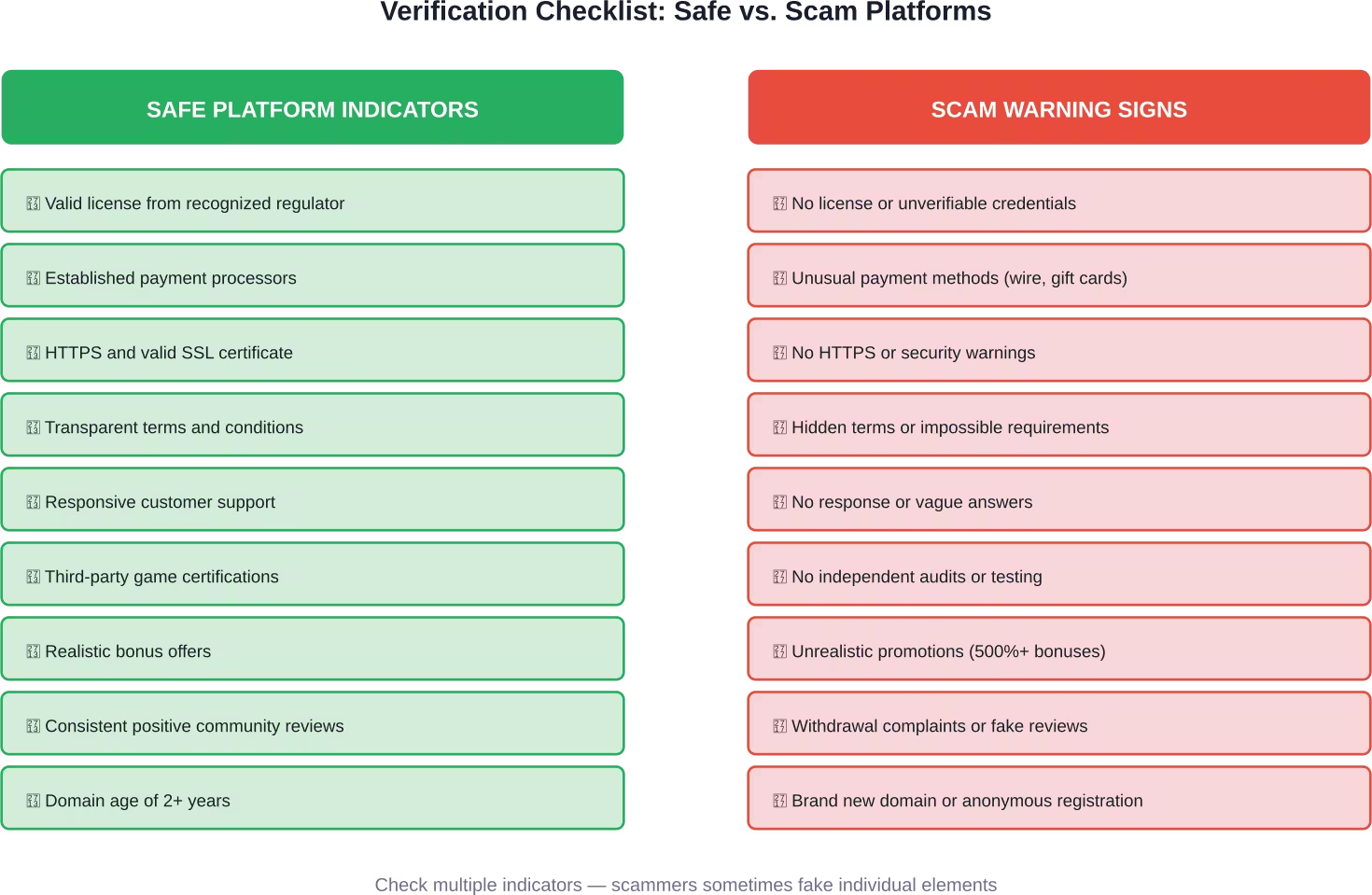
Check for Proper Licensing
Every legitimate gambling platform holds licenses from recognized regulatory bodies. These include the UK Gambling Commission, Malta Gaming Authority, Gibraltar Regulatory Authority, or state-level regulators in the U.S.
License numbers should appear clearly on the site—usually in the footer. Verify these numbers directly with the regulatory authority.
No license visible? That’s a massive red flag.
Research the Platform’s Reputation
Community discussions reveal patterns. Check multiple review sites, forums, and social media.
But wait. Some scam sites create fake reviews. Look for:
- Detailed negative reviews with specific complaints
- Recent reviews (scam sites often have only old positive reviews)
- Reviews on independent platforms, not just the casino’s own site
- Consistent complaints about withdrawal issues or rigged games
The Federal Trade Commission recommends talking with someone if a scam is spotted. Reporting to the FTC at reportfraud.ftc.gov helps stop scammers from targeting others.
Examine Payment Methods and Security
Legitimate platforms use established payment processors—credit cards, PayPal, Skrill, bank transfers, or reputable cryptocurrency exchanges.
Scam sites often demand unusual payment methods: wire transfers to personal accounts, prepaid debit cards, cryptocurrency to unverified wallets, or gift cards.
The CFPB warns that video game companies and virtual platforms increasingly use confusing currency exchange rates. For example, paying $2.95 for 320 coins or paying $9.05 for 1,020 coins makes mental math difficult and conceals real transaction costs.
Secure sites display HTTPS in the URL and show valid SSL certificates. Payment pages should encrypt all financial data.
Analyze Bonus Terms Carefully
Unrealistic bonuses signal danger. A 500% deposit match or $10,000 free play for new members? Probably a scam.
Read the fine print. Legitimate bonuses have clear terms: reasonable wagering requirements (typically 20x-40x), transparent time limits, and accessible withdrawal conditions.
Scam bonuses include impossible conditions designed to prevent withdrawals entirely.
Test Customer Support Responsiveness
Contact support before depositing. Ask specific questions about licensing, withdrawal times, or bonus terms.
Legitimate operations respond quickly with detailed, helpful answers. Scam sites often provide vague responses, take days to reply, or don’t respond at all.
Advanced Protection Strategies
Basic checks aren’t always enough. Sophisticated scammers deploy convincing fakes.
Verify Domain Age and Registration
Use WHOIS lookup tools to check when a domain was registered. Scam sites often use brand-new domains or domains registered anonymously.
Established gambling platforms have domain histories spanning years, with transparent ownership information.
Look for Third-Party Certifications
Legitimate platforms display certifications from independent testing agencies like eCOGRA, iTech Labs, or GLI. These organizations audit game fairness and random number generators.
Click the certification seals. They should link to verification pages on the testing agency’s official site.
Monitor Banking and Credit Activity
After using any gambling platform, watch financial accounts closely. Set up transaction alerts. Check credit reports regularly.
According to the Consumer Financial Protection Bureau, if identity theft occurs, immediately place fraud alerts or security freezes on credit reports. File reports at IdentityTheft.gov and close compromised accounts.
Use Dedicated Payment Methods
Consider using a separate credit card or e-wallet exclusively for gambling. This limits exposure if a platform turns out to be fraudulent.
Virtual credit card numbers provide an extra layer of protection.
What to Do If Already Scammed
Discovering a scam after depositing money triggers panic. But quick action can limit damage.
Contact Financial Institutions Immediately
Call the bank or credit card company. Explain the fraudulent transaction. Request a chargeback or dispute.
Many payment processors offer fraud protection. Act fast—most have strict time limits for disputes.
Report to Authorities
The Federal Trade Commission accepts fraud reports at reportfraud.ftc.gov. These reports help the FTC investigate and sue companies that break the law.
State gaming commissions also accept complaints about unlicensed operators. The FBI’s Internet Crime Complaint Center (IC3) handles reports involving illegal gambling operations.
According to the FTC, reporting scams helps stop fraudsters from targeting others. Each report contributes to investigations.
Protect Personal Information
If personal data was provided to scammers, assume it’s compromised. Change passwords on all accounts. Enable two-factor authentication everywhere possible.
The CFPB recommends placing fraud alerts or security freezes on credit reports. File an identity theft report at IdentityTheft.gov.
Monitor bank statements and credit reports closely for months afterward.
Document Everything
Save screenshots, emails, transaction records, and communications with the scam platform. This documentation supports disputes, chargebacks, and law enforcement investigations.
The Psychology Scammers Exploit
Understanding manipulation tactics helps resist them.
Scammers create urgency—”limited time offer,” “exclusive bonus expires in one hour.” This pressure triggers impulsive decisions before rational evaluation.
They exploit losses. Players who’ve lost money become desperate to recover it. Scammers offer too-good-to-be-true opportunities to win it back.
They build false trust through professional websites, fake certifications, and fabricated testimonials. The appearance of legitimacy disarms skepticism.
According to University of Florida research, unregulated AI systems in gambling can exploit vulnerable individuals and profit from them. As the gambling industry continues growing, these ethical concerns become more pressing.
Emerging Scam Tactics in 2026
Technology evolves. So do scams.
AI-Powered Deepfakes
Fraudsters now use AI to create fake video testimonials from celebrities or supposed winners. These deepfakes look increasingly realistic.
Verification requires careful examination—unnatural movements, inconsistent lighting, or audio sync issues often reveal fakes.
Social Media Impersonation
Scammers create social media accounts impersonating legitimate gambling platforms. They offer exclusive bonuses through direct messages.
Always verify social media accounts through the official website. Legitimate platforms link to their verified social channels.
Fake Gambling Apps in Unofficial Stores
Third-party app stores overflow with counterfeit gambling apps. These apps bypass the security screening of official app stores.
Only download gambling apps from official sources—the Apple App Store, Google Play Store, or directly from the casino’s verified website.
Building Long-Term Protection Habits
One-time verification isn’t enough. Ongoing vigilance protects against evolving threats.
Set deposit limits on gambling accounts. This restricts potential losses if a platform turns fraudulent.
Regularly audit which sites have payment information. Remove cards from platforms no longer in use.
Stay informed about new scam tactics. Follow consumer protection agencies like the FTC and CFPB for updates.
Trust instincts. If something feels wrong—pressure tactics, vague answers, delayed withdrawals—stop using the platform immediately.
Protection Layer | Implementation | Effectiveness |
|---|---|---|
License Verification | Check regulatory authority databases | High – eliminates unlicensed operators |
Payment Method Security | Use dedicated cards or e-wallets | Medium – limits exposure |
Community Research | Review multiple independent sources | High – reveals patterns |
Domain Age Check | WHOIS lookup before depositing | Medium – filters new scams |
SSL Certificate | Verify HTTPS and valid encryption | High – ensures data protection |
Customer Support Test | Ask questions before depositing | Medium – reveals responsiveness |
Credit Monitoring | Regular credit report checks | High – detects identity theft early |
Frequently Asked Questions
How can I verify if an online casino is legitimate?
Check for a valid license from recognized regulators like the UK Gambling Commission, Malta Gaming Authority, or state gaming boards. Verify the license number directly with the regulatory authority. Legitimate casinos display licenses prominently, use established payment processors, have HTTPS security, and show certifications from independent testing agencies like eCOGRA or iTech Labs.
What should I do if I can’t withdraw winnings from a gambling site?
First, review the terms and conditions to ensure all wagering requirements are met. Contact customer support with specific questions. If the platform refuses legitimate withdrawals, file a complaint with the licensing authority, request a chargeback from your payment processor, and report the site to the FTC at reportfraud.ftc.gov. Document all communications and transactions.
Are all unlicensed gambling sites scams?
Not all unlicensed sites are outright scams, but they operate illegally and lack regulatory oversight. According to the FBI, illegal sportsbooks and gaming sites fund organized crime activity and expose users to serious risks. Without licensing, there’s no mechanism to ensure fair games, protect player funds, or resolve disputes. The risk far outweighs any perceived benefits.
How do I recognize fake gambling app scams?
Fake gambling apps often appear in unofficial app stores with slightly misspelled names or copied logos. Warning signs include requests for unusual permissions, absence from the official casino website’s app links, poor reviews mentioning withdrawal issues, and no licensing information. Only download gambling apps from official app stores or verified links on the casino’s legitimate website.
What payment methods are safest for online gambling?
Credit cards offer strong fraud protection and chargeback rights. Reputable e-wallets like PayPal or Skrill provide additional security layers. Bank transfers through established processors are generally safe for licensed platforms. Avoid wire transfers to personal accounts, prepaid cards sent as payment, cryptocurrency to unverified wallets, and gift cards—these are common scam payment demands.
Can I get my money back after being scammed by a gambling site?
Recovery depends on the payment method used. Contact the bank or credit card company immediately to dispute charges—many offer fraud protection. File reports with the FTC, state gaming commissions, and the FBI’s IC3. While recovery isn’t guaranteed, quick action improves chances. Regulatory actions have shown that consumer redress is sometimes possible in cases of security failures.
How often does online gambling fraud occur?
According to Sumsub’s research, online gambling fraud doubled from 0.70% in 2023 to 1.3% in 2024. As the industry continues to grow globally, fraud attempts are increasing. Authorities warn that illegal gambling operations remain prevalent despite expanded legal betting markets, making vigilance essential regardless of statistical frequency.
Conclusion
Gambling scams exploit trust, greed, and urgency. But they follow predictable patterns.
Verify licenses through official regulators. Research platforms thoroughly before depositing. Use secure payment methods and monitor accounts closely. Recognize red flags like unrealistic bonuses, pressure tactics, and withdrawal delays.
The FTC, FBI, and CFPB all emphasize the same message: report scams to protect others and hold fraudsters accountable.
Start now. Before placing the next bet, verify the platform’s legitimacy. Check the license. Read independent reviews. Test customer support.
Protection takes minutes. Recovery from fraud takes months—or never happens at all.
Choose wisely. Bet safely. And never ignore warning signs just because a bonus looks attractive.
Related Articles

September 30, 2026Is Sports Betting Legal in Brazil? The Full...

September 30, 2026Is Sports Betting Legal in Iran? The Real...