 Nothing found for the request
What Is Gambling Self-Exclusion? A Complete Guide
Sologe April 28, 2026
Share:


Quick Summary
Quick Summary: A gambling self-exclusion is a voluntary program that allows individuals to ban themselves from gambling venues, online gambling platforms, or both for a set period. It’s designed to help problem gamblers avoid further gambling by restricting access to casinos, betting shops, online gambling websites, and gaming facilities.
Gambling self-exclusion represents one of the most direct intervention tools available for individuals who recognize their gambling has become problematic. These programs exist across multiple jurisdictions and gambling formats, from physical casinos to online betting platforms.
But does self-exclusion actually work? And how can someone enroll?
Understanding Self-Exclusion Programs
Self-exclusion is a policy enacted by governments and individual gambling operators to address problem gambling. When someone self-excludes, they’re voluntarily requesting to be banned from gambling activities for a specified period.
The concept is straightforward. An individual who recognizes they have a gambling problem can formally request to be prohibited from entering gambling venues or accessing online gambling accounts. These programs typically cover casinos, betting shops, online gambling websites, poker rooms, and sports wagering platforms.
According to medical research published by the National Institutes of Health, most individuals self-excluding from gambling have lost control over their gambling behavior. The intervention aims to create external barriers when internal control mechanisms have failed.
How Self-Exclusion Works
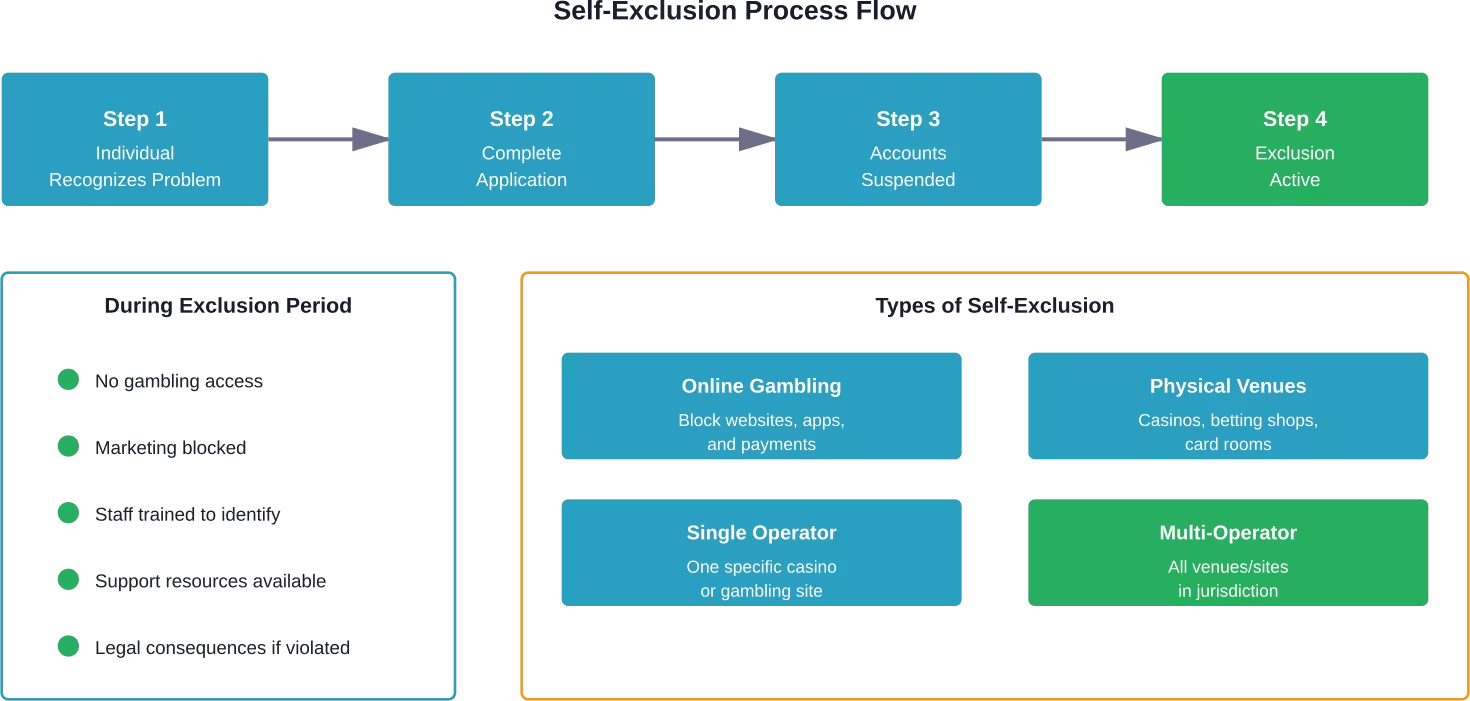
The process varies by jurisdiction and gambling format, but generally follows similar patterns.
For physical venues like casinos and betting shops, individuals typically complete an application that includes personal information and a photograph. Staff receive training to identify self-excluded individuals. Some operators employ facial recognition technology to enforce exclusions.
Online self-exclusion works differently. In Great Britain, GAMSTOP allows individuals to block access to all licensed online gambling sites. The system prevents self-excluders from accessing any operator within the network for periods ranging from six months to five years.
Here’s what typically happens during self-exclusion:
- Immediate suspension of gambling accounts and withdrawal of membership privileges
- Removal from marketing and promotional mailing lists
- Prohibition of commercial solicitations during the exclusion period
- Staff training to identify and refuse service to self-excluded individuals
- Legal consequences for attempting to gamble while self-excluded
Add Your Offer to a Gaming Listing Platform

Sologe works as a centralized platform for listing gaming-related products. It helps vendors present offers clearly and group them by type for easier discovery.
Looking for a Place to List?
List with Sologe to:
- add products to a focused platform
- organize listings by category
- make your offer easier to discover
👉 Get in touch with Sologe to get listed
Does Self-Exclusion Actually Work?
Research on self-exclusion effectiveness presents a mixed picture.
Research examining optimized online gambling self-exclusion procedures with extended suspension of commercial solicitations has been published in peer-reviewed journals. The PMU (Pari Mutuel Urbain) operates in the French gambling market with a significant presence in online horse-race betting.
According to a comprehensive review published by NIH, self-exclusion programs serve as an intervention tool for problem gambling, though their effectiveness depends on multiple factors. The research notes that problem gamblers, particularly electronic gaming machine players, often experience a loss of control and are more likely to exceed spending limits when consuming alcohol or in certain emotional states.
The challenges are real. Staff training, enforcement mechanisms, and the individual’s commitment all influence outcomes. Some jurisdictions report that self-excluded individuals attempt to circumvent restrictions.
That said, self-exclusion remains valuable as part of a broader treatment approach. Medical research indicates it works best when combined with counseling, support groups, and other therapeutic interventions.
Available Self-Exclusion Options
Individuals have several pathways for self-exclusion.
Online Gambling Blocks
Register with nationwide blocking services like GAMSTOP in Great Britain or individual state programs. These systems prevent access to licensed online gambling operators. Install blocking software on computers and mobile devices to restrict gambling websites and apps. Banks also offer payment blocking for gambling transactions.
Physical Venue Exclusion
Casinos, betting shops, card rooms, and other gambling venues maintain self-exclusion programs. Applications typically require personal information and identification. Many jurisdictions now offer multi-venue exclusion programs that cover all licensed operators in the state or region.
Hybrid Approaches
Comprehensive self-exclusion covers both online and physical gambling. This addresses the reality that problem gambling often spans multiple formats and platforms.
Self-Exclusion Type | Coverage | Typical Duration | Best For |
|---|---|---|---|
Single Operator | One casino or website | 6 months to lifetime | Specific venue problems |
Multi-Operator | All state/national venues | 1 year minimum | Comprehensive protection |
Online Only | Internet gambling sites | 6 months to 5 years | Digital gambling issues |
Physical Only | Land-based venues | Varies by state | Casino/betting shop problems |
Who Should Consider Self-Exclusion?
Self-exclusion programs target individuals who recognize their gambling has become harmful. According to NIH research examining psychiatric comorbidity in patients with gambling disorder, females were markedly more likely to report overall psychiatric comorbidities (48% versus 25%).
Warning signs include spending more time or money on gambling than intended, chasing losses, gambling despite negative consequences, and experiencing distress about gambling behavior.
Medical research defines gambling disorder according to DSM-5 criteria as a persistent, recurrent pattern of gambling associated with substantial distress or impairment. Prevalence studies across different countries indicate lifetime prevalence varies from 0.12% to 5.86%.
Self-exclusion offers a practical tool for those who wish to be supported to stop gambling. It’s designed for people who have determined they need external barriers to control their gambling behavior.
Getting Started with Self-Exclusion
The enrollment process varies by jurisdiction but typically requires basic steps.
For online gambling, visit the relevant blocking service website (like GAMSTOP in the UK or state-specific programs in the US). Complete the application with personal details. The system typically activates within a few business days.
For physical venues, contact the casino or betting shop directly or visit the state gaming commission website. Many states maintain centralized self-exclusion programs that cover all licensed operators. Applications require identification documents and sometimes a photograph.
Payment blocking through banks requires contacting the financial institution and requesting gambling transaction blocks. Many banks now offer this service specifically for problem gambling prevention.
Real talk: taking the first step requires courage. Recognizing a gambling problem and actively seeking barriers takes significant self-awareness. Support resources like helplines and counseling services can provide guidance through the process.
Frequently Asked Questions
How long does gambling self-exclusion last?
Self-exclusion periods vary by jurisdiction and program type. Most programs offer options ranging from six months to five years, with some providing lifetime exclusion. Online blocking services like GAMSTOP require minimum periods, typically starting at six months. Physical casino exclusions often have longer minimum periods, frequently one year or more.
Can I cancel my self-exclusion early?
Generally no. Most self-exclusion programs do not allow early cancellation because individuals may experience temporary urges to resume gambling. These programs are designed to create strong external barriers. Some jurisdictions may require waiting periods and counseling before lifting exclusions after the initial term ends.
Will casinos know I’m self-excluded?
Yes. Self-exclusion programs share information with gambling operators. Physical venues receive photographs and personal details to identify excluded individuals, and staff are trained to deny service. Some casinos also use facial recognition technology to enforce exclusions.
Does self-exclusion appear on background checks?
Self-exclusion is typically confidential and does not appear on standard employment or criminal background checks. However, violating self-exclusion rules may result in legal consequences that could appear on a criminal record depending on the jurisdiction.
Can I self-exclude from just one casino?
Yes. Single-operator self-exclusion is available, allowing individuals to block access to a specific casino or site. However, broader multi-operator programs offer stronger protection, especially for those with more serious gambling concerns.
Is self-exclusion free?
Yes. Self-exclusion programs are free services provided by regulators and gambling operators. There are no fees for enrolling, and most support services and helplines are also free of charge.
What happens if I violate my self-exclusion?
Consequences vary by jurisdiction but may include forfeiture of winnings, fines, permanent bans, and potential legal action. Violations often indicate a need for additional support or treatment to manage gambling behavior effectively.
Conclusion
Gambling self-exclusion provides a concrete intervention for individuals struggling with problem gambling. While not a standalone solution, it creates meaningful barriers that support recovery when combined with counseling and other therapeutic approaches.
The programs work best for those who recognize their gambling has become harmful and want external support to stop. Research shows mixed effectiveness, but self-exclusion remains a valuable component of responsible gaming frameworks worldwide.
If gambling is causing problems in your life, consider exploring self-exclusion options in your jurisdiction. Contact a gambling helpline for guidance on enrollment and access to additional support resources. Taking action today can prevent further harm tomorrow.
Related Articles
September 30, 2026Is Sports Betting Legal in Brazil? The Full...

September 30, 2026Is Sports Betting Legal in Iran? The Real...