 Nothing found for the request
How Does Sports Betting Work in South Africa? 2026 Guide
Sologe June 9, 2026
Share:


Quick Summary
Quick Summary: Sports betting in South Africa operates under a strictly regulated framework overseen by the National Gambling Board and nine provincial licensing authorities. Licensed bookmakers offer legal betting on sports like football, rugby, and horse racing through retail outlets and online platforms. Bettors must be 18+, register with a licensed operator, deposit funds, and place wagers on various markets using odds formats including decimal, fractional, and American.
Sports betting has become a significant part of South African entertainment, with the nation’s passion for football, rugby, and cricket fueling a thriving betting culture. According to Skilrock Technologies, South Africa’s gambling sector generated gross gambling revenue during the 2023/24 financial year, marking a 25.7% increase from the previous year.
What’s particularly striking? Betting accounts for a significant portion of the entire industry’s gross gambling revenue in the 2023/24 period. The market has experienced significant growth, with total wagers surpassing R1.1 trillion in 2024, marking a 40% increase from 2023.
But how does this system actually work for someone who wants to place a bet? This guide breaks down everything from legal requirements to placing your first wager.
The Legal Framework for Sports Betting in South Africa
Sports betting in South Africa isn’t the Wild West. It operates under a tightly regulated structure that makes the country one of Africa’s most organized gambling jurisdictions.
The National Gambling Board serves as the primary oversight body responsible for preserving the integrity of the country’s gambling industry. Their strategic intent is to sustain and grow regulatory capability, positioning South Africa as a pre-eminent jurisdiction with an exemplary and effectively regulated gambling industry.
Here’s where it gets interesting: South Africa doesn’t have a single national licensing system. Instead, the country operates with nine provincial licensing authorities, each responsible for issuing bookmaker licenses within their borders.
This creates a federal-provincial dual structure. National legislation provides the overarching framework, while provincial gambling boards handle day-to-day licensing and compliance. Licensed operators must meet strict requirements around financial stability, responsible gambling measures, and consumer protection.
Recent Regulatory Developments
The landscape continues to evolve. In 2025, a Supreme Court ruling reduced bookmaker use of casino-style live games, separating traditional sports betting from casino gambling. The government has also proposed a 20% gross gambling revenue tax on future online gambling activity, though this hasn’t been implemented yet as of May 2026.
Only bettors aged 18 and older can legally participate. Licensed operators verify age and identity during registration, which is mandatory before placing any wager.
How Sports Betting Actually Works: The Mechanics
At its core, sports betting involves predicting the outcome of a sporting event and placing money on that prediction. If the prediction is correct, the bettor wins money based on the odds offered. If wrong, the stake is lost.
Each step requires action from the bettor. Registration involves providing identification documents and proof of address. Deposit methods typically include bank transfers, credit/debit cards, and increasingly popular e-wallet services.
The critical element is the odds, which determine potential winnings. Bookmakers set odds based on their assessment of each outcome’s probability, adjusted for their profit margin.
Understanding Betting Odds: The Core Concept
Odds serve two purposes: they indicate how likely an outcome is considered to be, and they determine how much a winning bet pays out.
South African bookmakers typically offer three odds formats:
Decimal Odds (Most Common)
Decimal odds show the total return for every R1 wagered, including the original stake. An odds of 2.50 means betting R100 returns R250 if successful—R150 profit plus the R100 stake returned.
These are straightforward to calculate: Stake × Odds = Total Return.
Fractional Odds
Fractional odds like 3/1 or 5/2 show profit relative to stake. Odds of 3/1 mean winning R3 for every R1 staked, plus the stake back. Less common in South Africa but still offered by some operators.
American Odds
American odds use positive and negative numbers. Positive odds (+250) show profit on a R100 stake. Negative odds (-150) show how much must be staked to win R100. These are rarely used by South African bookmakers.
Real talk: decimal odds dominate the South African market because they’re easiest to understand and calculate.
Popular Sports and Betting Markets
The nation’s deep-rooted passion for sports drives betting activity. Football (soccer) leads the pack, particularly English Premier League matches, followed by rugby—both union and league—and cricket.
Horse racing holds a special place in South African betting culture and has its own dedicated betting infrastructure separate from general sports betting in some provinces.
Common Betting Markets
Within each sport, multiple betting markets exist:
- Match Result: Predicting the winner or draw in a match
- Over/Under: Betting on whether total points/goals will be over or under a specified number
- Handicap Betting: Giving one team a virtual advantage or disadvantage to level the odds
- Both Teams to Score: Predicting whether both teams will score in a football match
- First Goalscorer: Selecting which player will score first
- Correct Score: Predicting the exact final score
Live betting (in-play betting) has grown significantly. This allows wagers on events already in progress, with odds updating in real-time based on what’s happening in the match.
Types of Bets Available
Beyond simple match predictions, bookmakers offer various bet types:
Bet Type | Description | Example |
|---|---|---|
Single Bet | One selection on one event | Bet R100 on Chiefs to win at 2.20 odds |
Accumulator (Acca) | Multiple selections, all must win | Four matches combined; all must be correct |
Double | Two selections, both must win | Two matches combined at multiplied odds |
Treble | Three selections, all must win | Three matches combined at multiplied odds |
System Bet | Multiple selections with partial win coverage | Trixie, Patent, Yankee systems |
Each-Way | Two bets: one for win, one for place | Common in horse racing |
Accumulators offer higher potential returns because odds multiply together. However, they’re significantly harder to win since every selection must be correct. One wrong prediction loses the entire accumulator.
Getting Started: Registration and First Deposit
Starting the betting journey requires choosing a licensed operator. South Africa has numerous legal bookmakers, both international operators with local licenses and homegrown brands.
Registration typically requires:
- Full name and date of birth (must be 18+)
- Valid South African ID number or passport
- Residential address
- Contact details (phone and email)
- Proof of address document (utility bill or bank statement)
Once verified, setting up a deposit limit is recommended. Many operators now mandate this as part of responsible gambling measures. Deposits can be made via bank transfer, credit/debit cards, instant EFT, or e-wallets.
First-time depositors often qualify for welcome bonuses. These typically match a percentage of the first deposit, sometimes up to R1,500 or more. However, bonuses come with terms and conditions, including wagering requirements before withdrawals are permitted.
Online vs. Retail Betting
South African bettors can choose between online platforms and physical betting shops.
Online betting has surged in popularity due to smartphone penetration and improved internet access. Bettors can place wagers anywhere, anytime, access live streaming, and benefit from more competitive odds due to lower operator overheads.
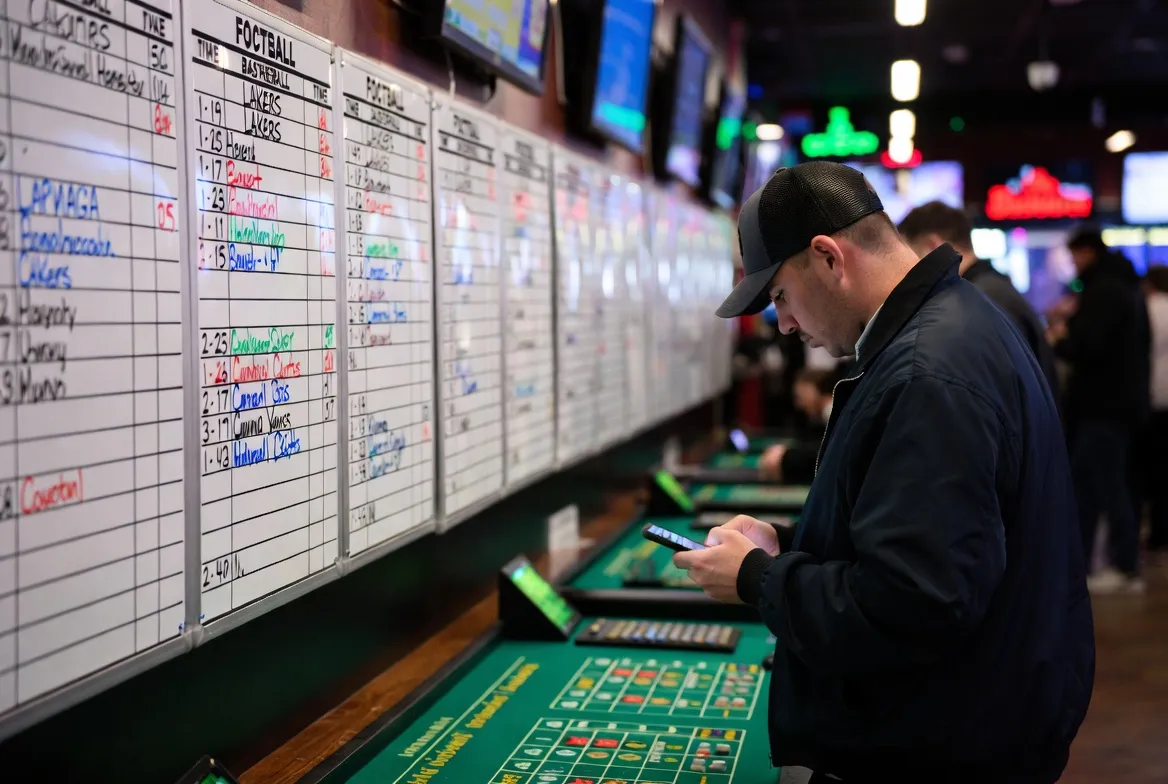
Retail shops still serve communities with limited internet access or bettors who prefer face-to-face service. They’re particularly prevalent for horse racing betting.
The South Africa sports betting market is projected to exhibit a growth rate of approximately 8.55% during the forecast period, driven by strong online adoption, mobile penetration, and passion for football and other sports.
Responsible Gambling Measures
Licensed operators must implement responsible gambling tools:
- Deposit limits (daily, weekly, monthly)
- Loss limits
- Session time limits
- Self-exclusion options (temporary or permanent)
- Reality checks (pop-ups showing time and money spent)
- Access to support organizations like the South African Responsible Gambling Foundation
The regulatory framework aims to balance growth with consumer protection. Operators failing to implement these measures face penalties from provincial gambling boards.
Payment Methods and Withdrawals
Licensed bookmakers support various payment methods suited to the South African market:
Payment Method | Deposit Speed | Withdrawal Speed | Fees |
|---|---|---|---|
Bank Transfer (EFT) | 1-3 business days | 2-5 business days | Usually free |
Instant EFT | Immediate | Not available for withdrawal | Usually free |
Credit/Debit Card | Immediate | 3-5 business days | May incur card fees |
E-wallets | Immediate | 24-48 hours | Usually free |
Vouchers | Immediate | Not available for withdrawal | Usually free |
Withdrawals require identity verification to comply with anti-money laundering regulations. First withdrawals typically take longer due to verification processes.
Explore Reliable iGaming Vendors With Sologe

Understanding how sports betting works in South Africa also means knowing which business systems support licensed operators. Sologe focuses on the company side of iGaming, not casual players. The marketplace helps businesses discover providers across sports betting software, gaming platforms, payments, affiliate tools, marketing services, analytics, licensing-related support, and operations.
With Sologe, businesses can connect research to real provider options:
- review platform and software companies
- compare payment and transaction providers
- find marketing, affiliate, and traffic partners
- start direct conversations with relevant suppliers
👉Contact Sologe to explore iGaming vendors or list your company for B2B buyers.
Tax Implications for Bettors
Here’s good news: individual betting winnings in South Africa are generally not taxed. The South African Revenue Service doesn’t classify casual gambling winnings as taxable income for recreational bettors.
However, professional gamblers whose primary income comes from betting may be subject to income tax. The distinction hinges on whether gambling constitutes a trade or profession rather than recreation.
Operators pay taxes on their gross gambling revenue, which is factored into the odds they offer rather than passed directly to bettors.
Common Mistakes to Avoid
New bettors often make preventable errors:
- Chasing losses: Increasing stakes after losses to recover money rarely works and typically deepens losses
- Ignoring odds value: Betting on favorites regardless of odds value destroys long-term profitability
- Emotional betting: Supporting a favorite team with heart rather than head leads to poor decisions
- Not shopping for odds: Different bookmakers offer different odds; comparing can increase returns by 5-10%
- Misunderstanding bonus terms: Welcome bonuses with high wagering requirements (30x or more) can trap funds
- Betting without knowledge: Wagering on sports or leagues without understanding the dynamics
The most successful bettors treat it as entertainment with strict budgets, not as income generation.
Frequently Asked Questions
Is online sports betting legal in South Africa?
Yes, sports betting is legal in South Africa when conducted through operators licensed by provincial gambling boards and overseen by the National Gambling Board. Only licensed bookmakers can legally accept bets from South African residents. Bettors must be 18 years or older.
How do bookmakers make money if people win bets?
Bookmakers build a profit margin into their odds. They aim to balance their books so that regardless of the outcome, the total stakes from losing bets exceed payouts to winners. The margin typically ranges from 5-15% depending on the market and sport. This ensures long-term profitability across thousands of events.
Can I bet on international sports leagues?
Absolutely. Licensed South African bookmakers offer betting on international competitions including the English Premier League, UEFA Champions League, NBA, NFL, Australian rugby, international cricket, and many more. In fact, international leagues often attract more betting volume than domestic competitions.
What happens if my bet is placed but the event is cancelled?
If an event is cancelled or postponed before starting, bets are typically voided and stakes returned. If a match starts but is abandoned before completion, settlement rules vary by bookmaker and sport. Most operators follow established sporting body rules—for example, football matches often need 90 minutes completed for bets to stand.
How long does it take to withdraw winnings?
Withdrawal times depend on the payment method chosen. E-wallets typically process within 24-48 hours. Bank transfers take 2-5 business days. First-time withdrawals require identity verification, which can add 1-3 days. Always check the specific operator’s withdrawal policy as timeframes vary.
Do I need to pay tax on my betting winnings?
Recreational bettors in South Africa generally don’t pay tax on gambling winnings. The South African Revenue Service doesn’t classify casual betting winnings as taxable income. However, professional gamblers whose primary income derives from betting may be subject to income tax. Operators pay tax on gross gambling revenue.
What is the minimum and maximum bet I can place?
Minimum bets typically start at R1-R5 depending on the operator and bet type. Maximum bets vary significantly based on the sport, market, and the operator’s risk management. Popular football matches might accept stakes of R50,000 or more, while niche markets have much lower limits. Maximum payouts are also capped, often at R1 million or R2 million per bet slip.
Conclusion
Sports betting in South Africa operates within a well-established regulatory framework that balances entertainment with consumer protection. The National Gambling Board and provincial authorities ensure operators meet strict licensing requirements, creating a safer environment than unregulated markets.
Understanding how odds work, recognizing different bet types, and choosing licensed operators are fundamental steps. With the betting sector continuing to expand during the 2023/24 financial year, the industry demonstrates strong growth potential.
The key to sustainable betting? Treat it as entertainment with a fixed budget, never bet more than can be comfortably lost, and use the responsible gambling tools licensed operators provide. South Africa’s structured approach to sports betting offers access to exciting markets while maintaining regulatory oversight that protects participants.
Ready to get started? Choose a licensed bookmaker, verify the provincial licensing, set deposit limits, and place that first bet responsibly. The market offers extensive options across football, rugby, cricket, and dozens of other sports—all within a legal framework designed to keep the experience fair and secure.
Related Articles

September 30, 2026Is Sports Betting Legal in Brazil? The Full...
September 30, 2026Is Sports Betting Legal in Iran? The Real...