 Nothing found for the request
![How Many Betting Companies in South Africa? [2026 Update]](https://sologe.net/wp-content/uploads/2026/06/How-Many-Betting-Companies-in-South-Africa_converted.webp )
How Many Betting Companies in South Africa? [2026 Update]
Sologe June 9, 2026
Share:


Quick Summary
Quick Summary: South Africa’s betting market currently features approximately 37 licensed online bookmakers and operators, with the industry turnover more than R1 trillion annually. The exact number fluctuates as new operators receive licenses and others cease operations, but the National Gambling Board and provincial regulators oversee this growing sector. Approximately 204,289 unique individuals placed deposits with online betting companies between August 2023 and January 2025, representing roughly 30% of analyzed users.
What started as a tightly controlled market has blossomed into a thriving industry generating a turnover of R1.5 trillion annually (as of the 2024/25 financial year), while its Gross Gambling Revenue (GGR) stands at R75 billion.
But here’s the thing—pinning down an exact count of betting companies isn’t as straightforward as it sounds. The number shifts as new operators enter the market, existing ones consolidate, and licensing requirements evolve.
This guide breaks down the current state of South Africa’s betting industry, from licensed operators to market size, regulatory framework, and what it all means for the average punter.
The Current State of Licensed Betting Operators
According to data from top industry trackers, South Africa currently hosts approximately 37 online betting sites that hold valid licenses. That’s just the digital side of things.
When factoring in physical gambling facilities, casinos, and provincial operators, the total number of companies involved in the gambling sector extends well beyond the digital realm. The market encompasses sports betting, online casinos, horse racing facilities, and traditional bingo operations.
Here’s what the breakdown looks like across different segments:
Operator Type | Estimated Count | Primary Offerings |
|---|---|---|
Online Bookmakers | 37+ | Sports betting, live betting, virtual sports |
Online Casinos | Data not verified | Slots, table games, live dealer games |
Horse Racing Operators | Data not verified | Tote betting, fixed-odds racing |
Land-Based Casinos | Data not verified | Table games, slots, poker rooms |
Total daily visits from South Africa to online bookmakers reach approximately 3,503,000, demonstrating the massive appetite for betting products in the country.
Understanding South Africa's Gambling Regulatory Framework
South Africa operates under a dual regulatory system. The National Gambling Board oversees national standards and coordination, while provincial gambling boards issue licenses and regulate operations within their jurisdictions.
This creates an interesting dynamic. A betting company might hold licenses in multiple provinces, each requiring separate applications, compliance measures, and ongoing oversight.
The Western Cape Gambling and Racing Board, for instance, maintains its own list of license holders. Other provinces follow similar patterns, leading to a complex web of regulatory relationships.
What It Takes to Get Licensed
Operators can’t just set up shop and start taking bets. The licensing process demands:
- Comprehensive financial audits and solvency demonstrations
- Technical systems testing and security certifications
- Responsible gambling measures and player protection protocols
- Detailed business plans and operational procedures
- Background checks on company directors and shareholders
This rigorous process ensures only legitimate operators enter the market. It’s one reason the number of betting companies remains relatively controlled despite massive industry growth.
The Billion Gambling Economy
Now, this is where it gets interesting. South Africa’s gambling industry is now worth more than R75 billion annually. That’s not a typo.
Between August 2023 and January 2025, approximately 204,289 unique individuals placed deposits with online betting companies. That accounts for nearly 30% of all users analyzed in available datasets—and it’s likely an underestimate since voucher-based deposits weren’t included in the tracking.
Sports betting dominates the landscape. According to TGM Research’s 2022 survey, 49.4% of the South African population engaged in sports betting activities within the measured period. That’s nearly half the country placing bets on sports events.
Market Penetration by Demographics
The betting market doesn’t affect all segments equally. Survey data reveals interesting participation patterns:
Demographic Segment | Participation Rate | Primary Activity |
|---|---|---|
General Population | 49.4% | Sports betting |
Online Casino Players | 35.5% | Slots and table games |
Horse Racing Bettors | 23.3% | Fixed-odds and tote betting |
Live Betting Users | 47.3% | In-play sports wagering |
The sheer scale of participation explains why so many operators want a piece of the South African market. But it also raises questions about market saturation and sustainability.
Major Players Dominating the Market
While there are 37+ online operators, the market shows clear consolidation around major brands. Several companies have established dominant positions through aggressive marketing, comprehensive product offerings, and strong localization.
Real talk: not all betting companies are created equal. Some have been operating for decades, building trust and brand recognition. Others are newer entrants trying to carve out niches with innovative features or better odds.
The top operators typically offer:
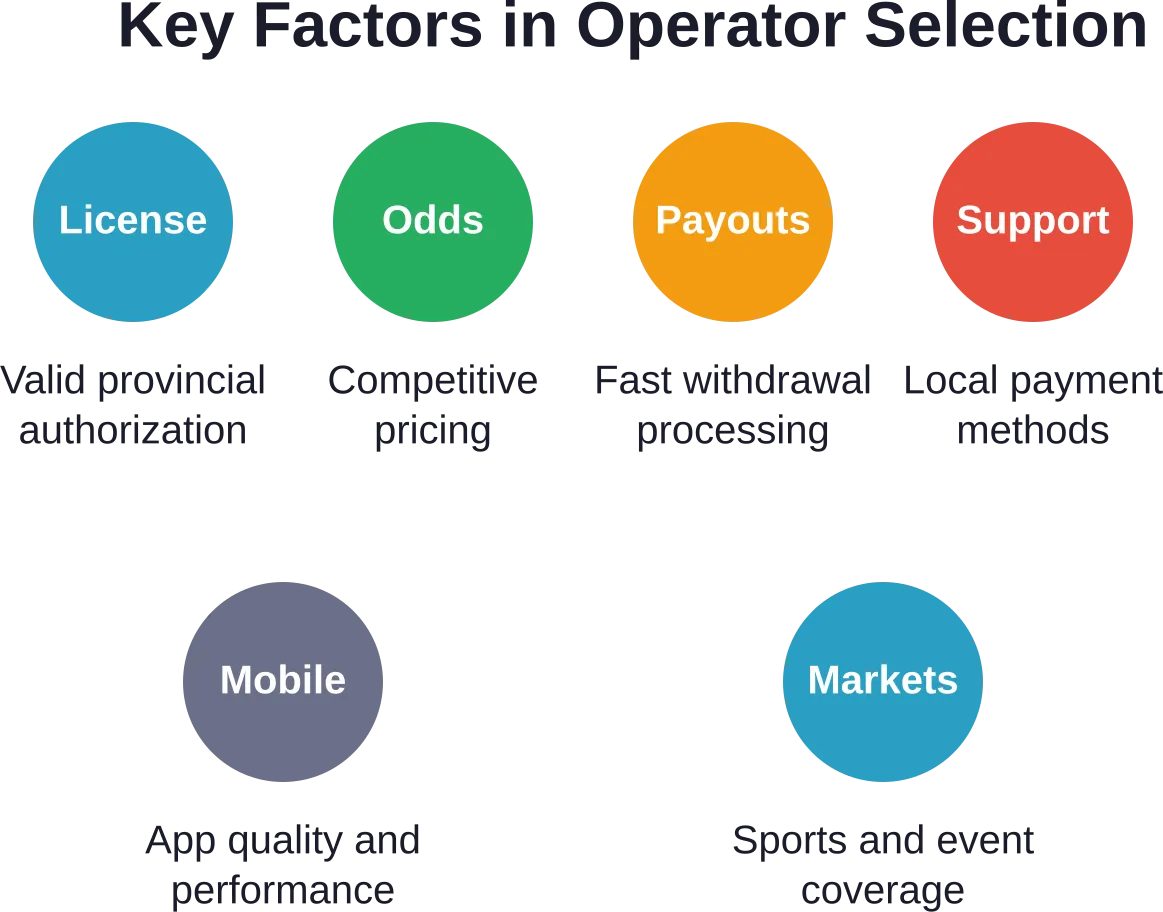
- Fast payouts within 24 hours for many banking methods
- Support for local payment options including Visa, Mastercard, EFT, Ozow, and SiD
- Comprehensive sports coverage including soccer, rugby, cricket, and international events
- Mobile apps optimized for South African users
- Competitive welcome bonuses and ongoing promotions
Interbet.co.za, for example, has established itself as a fully licensed operator with approximately 11,300 daily visits. That’s solid traffic but still dwarfed by the market leaders who command hundreds of thousands of daily users.
How the Number Keeps Changing
Here’s the thing though—the count of betting companies in South Africa isn’t static. New operators apply for licenses quarterly. Existing companies sometimes merge or rebrand. Others exit the market when they can’t compete or fail compliance audits.
The trend over the past five years has been upward. As South Africa’s digital infrastructure improves and smartphone penetration increases, more operators see opportunities worth pursuing.
But wait. Regulatory changes can shift this landscape overnight. If provincial authorities tighten licensing requirements or the National Gambling Board introduces new compliance standards, some smaller operators might struggle to keep up.
The Impact of Technology on Operator Count
Mobile betting apps have democratized market entry to some degree. Operators no longer need extensive physical infrastructure—a solid platform, proper licensing, and effective marketing can get a new company operational relatively quickly.
That said, the technical requirements aren’t trivial. Systems must handle:
- Real-time odds updates across thousands of markets
- Secure payment processing with multiple banking integrations
- Responsible gambling tools and self-exclusion features
- Customer verification and anti-money laundering protocols
- Data security and privacy compliance
These technical barriers mean that while the market is growing, it won’t explode indefinitely. There’s a natural ceiling based on regulatory capacity and market saturation.
Compare Proven Betting Suppliers With Sologe

The number of betting companies in South Africa shows market activity, but suppliers explain how the sector works behind the scenes. Sologe helps businesses study the vendor ecosystem around iGaming operators. The platform includes categories for sports betting software, gaming platforms, payment solutions, analytics, marketing services, affiliate tools, licensing-related providers, and operational support.
The platform can support supplier research in a few practical ways:
- map provider types around betting and gaming companies
- compare software, payment, and analytics vendors
- review service companies before direct outreach
- discover partners for B2B iGaming projects
- create visibility for your own supplier profile
👉Contact Sologe to compare iGaming suppliers, review available categories, or place your business in front of industry buyers.
Provincial Variations in Licensing
Different provinces take different approaches to gambling regulation. The Western Cape Gambling and Racing Board maintains its own license registry. Gauteng has its standards. The Eastern Cape follows yet another framework.
This means a company operating nationally might actually hold multiple licenses—one for each province where it accepts customers. From an administrative perspective, that’s one company. From a regulatory perspective, it’s multiple licensed entities.
This complexity makes answering “how many betting companies” surprisingly tricky. Do we count unique corporate entities? Do we count each provincial license separately? Do we include only online operators or also physical facilities?
Most industry analyses focus on unique brands or corporate entities, which is why 37+ online bookmakers represent the most commonly cited figure for digital operators.
What This Means for Bettors
More operators generally means more competition. And competition drives better odds, improved features, more generous bonuses, and enhanced customer service.
All betting sites operating legally in South Africa must hold valid licenses. This provides baseline consumer protection—segregated player funds, dispute resolution mechanisms, and adherence to advertising standards.
That said, having 37+ options can feel overwhelming. Not every operator excels at everything. Some offer better soccer odds. Others provide superior rugby coverage. A few specialize in esports or virtual sports.
The key is matching personal preferences with operator strengths. Someone who bets primarily on horse racing needs different features than someone focused on live soccer betting.
Frequently Asked Questions
How many betting sites are licensed in South Africa?
Approximately 37 online betting sites currently hold valid licenses to operate in South Africa. This number fluctuates as new operators receive approval and others exit the market. The total includes sports betting sites, online casinos, and specialized operators like horse racing platforms.
How big is South Africa’s gambling industry?
South Africa’s gambling industry is worth more than R75 billion annually. Between August 2023 and January 2025, approximately 204,289 unique individuals placed deposits with online betting companies, representing nearly 30% of analyzed users. The industry encompasses sports betting, online casinos, land-based casinos, and racing facilities.
What percentage of South Africans bet on sports?
According to TGM Research’s 2022 survey, 49.4% of the South African population engaged in sports betting activities during the measured period. Live betting shows 47.3% participation, while online casino gaming accounts for 35.5% of the population.
Are all betting companies in South Africa legal?
Only operators holding valid licenses from provincial gambling boards are legal. South Africa uses a dual regulatory system where the National Gambling Board sets national standards while provincial boards issue licenses. All legitimate operators must meet strict licensing requirements including financial audits, technical testing, and responsible gambling measures.
Which province regulates the most betting companies?
Gauteng and the Western Cape typically license the highest number of operators due to their larger populations and more developed gambling infrastructure. Each province maintains its own gambling board with separate licensing processes, meaning national operators often hold multiple provincial licenses.
How do I know if a betting site is licensed?
Licensed operators display their license numbers and issuing authority on their websites, usually in the footer. Check the relevant provincial gambling board’s website for official license holder lists. The National Gambling Board also maintains coordination information, though individual licenses come from provincial authorities.
Can new betting companies still enter the South African market?
New operators can apply for licenses through provincial gambling boards. The market continues growing as digital infrastructure improves and smartphone penetration increases. However, licensing requirements are strict, demanding comprehensive financial backing, technical capabilities, and compliance frameworks before approval.
Looking Ahead: Market Evolution
South Africa’s betting industry shows no signs of slowing down. The R75 billion valuation represents sustained growth over multiple years, driven by increased digital adoption, improved mobile connectivity, and evolving consumer preferences.
But several factors could reshape the competitive landscape. Regulatory changes remain possible as authorities balance industry growth with consumer protection. Technological advances like cryptocurrency integration and blockchain-based betting platforms might attract new operators with different business models.
Consolidation pressures will likely continue. Smaller operators struggle to compete with major brands that can afford expensive marketing campaigns, sponsorship deals, and continuous platform improvements. Mergers and acquisitions could reduce the headline count even as the overall market expands.
The shift toward mobile-first experiences will accelerate. Operators without competitive mobile apps will find it increasingly difficult to attract and retain customers. This creates technical barriers that favor well-funded companies over smaller entrants.
Related Articles

September 30, 2026Is Sports Betting Legal in Brazil? The Full...

September 30, 2026Is Sports Betting Legal in Iran? The Real...