 Nothing found for the request
Betting Control & Licensing Board Kenya Guide 2026
Sologe June 8, 2026
Share:


Quick Summary
Quick Summary: The Betting Control and Licensing Board (BCLB) is Kenya’s primary gambling regulator, established in 1966 to authorize lotteries, oversee prize competitions, and combat illegal gambling. BCLB operates from headquarters at ACK Garden Annex in Nairobi, though the organization has also been noted at Charity Sweepstakes House, 8th Floor, Mama Ngina Street, Nairobi, and enforces compliance through licensing requirements, taxation frameworks, and periodic crackdowns on unlicensed operators.
Kenya’s gambling industry has experienced explosive growth over the past decade. But with that growth comes tight regulatory oversight—and the Betting Control and Licensing Board sits at the center of it all.
Whether you’re an operator seeking licensure, an investor analyzing the market, or simply curious about how Kenya manages its betting sector, understanding BCLB’s role is essential.
What Is the Betting Control and Licensing Board?
The Betting Control and Licensing Board was formed in 1966 through the Betting, Lotteries and Gaming Act (Chapter 131 Laws of Kenya). Its mandate is straightforward: govern the authorization of lotteries and prize competitions while stamping out illegal gambling activities across the country.
BCLB operates from headquarters at ACK Garden Annex, 1st Ngong Avenue, Nairobi, though the organization has also been noted at Charity Sweepstakes House, 8th Floor, Mama Ngina Street, Nairobi. The official website, bclb.go.ke, provides operator updates, licensing lists, and compliance directives.
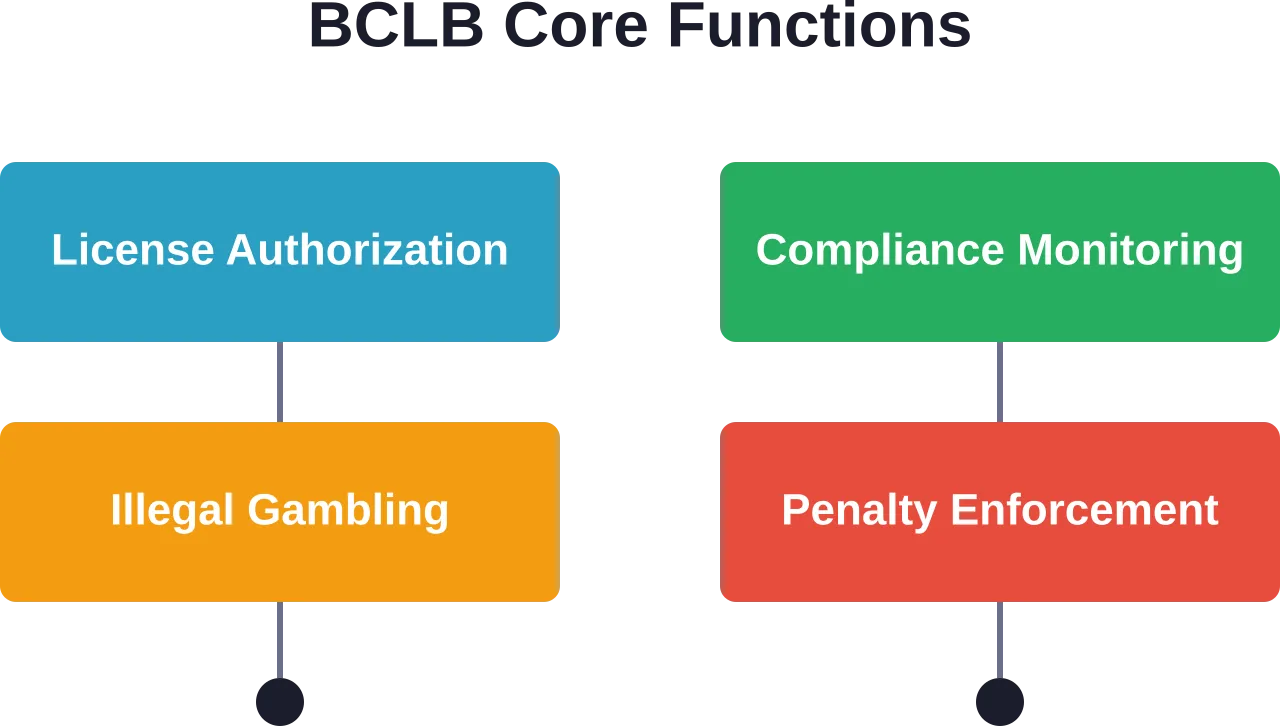
The board’s jurisdiction covers all forms of betting, gaming, and lotteries within Kenya. It issues licenses, monitors operator conduct, and enforces penalties for non-compliance.
Recent Regulatory Crackdowns
The Kenyan government hasn’t been shy about flexing its regulatory muscle. Over 50 betting firms faced shutdown orders in recent years as part of sweeping enforcement campaigns targeting operators without valid licenses.
BCLB cited breaches including unlicensed operations and failure to meet legal standards. These crackdowns sent shockwaves through East Africa’s fintech and gaming ecosystems, forcing operators to take compliance seriously or exit the market.
The board has also targeted security gaps. BCLB targets betting overhaul with increased security requirements and tougher licensing rules to close regulatory loopholes and strengthen operator accountability.
Licensing Requirements and Costs
Securing a betting license in Kenya isn’t a rubber-stamp process. Operators must meet stringent criteria covering financial stability, technical infrastructure, responsible gambling measures, and anti-money laundering protocols.
Application processes require detailed documentation, background checks on directors, and proof of secure payment systems. The board maintains an updated list of licensed operators on its website—operators not on that list face immediate shutdown risk.
Requirement | Description |
|---|---|
Financial Proof | Evidence of adequate capital and financial stability |
Technical Infrastructure | Secure platforms, payment systems, data protection |
Responsible Gambling | Self-exclusion tools, age verification, player protection |
AML Compliance | Anti-money laundering protocols and reporting systems |
Find Proven Licensing Vendors With Sologe

Licensing in Kenya should start with proper legal, operational, and compliance review. Sologe is a B2B marketplace for companies working in iGaming. They can help frame the vendor side of the process – from platform setup and payment providers to licensing-related services and operational partners. It is not a player-facing site. It is built for companies, suppliers, and industry teams.
Use Sologe to:
- search for providers connected to iGaming setup and operations
- compare suppliers before starting direct conversations
- review business categories linked to platforms, payments, and support
- find companies that serve regulated gaming projects
- list your own service if you work with iGaming businesses
👉Contact Sologe to find relevant iGaming vendors, compare business-side services, or list your company for industry buyers.
Taxation Framework
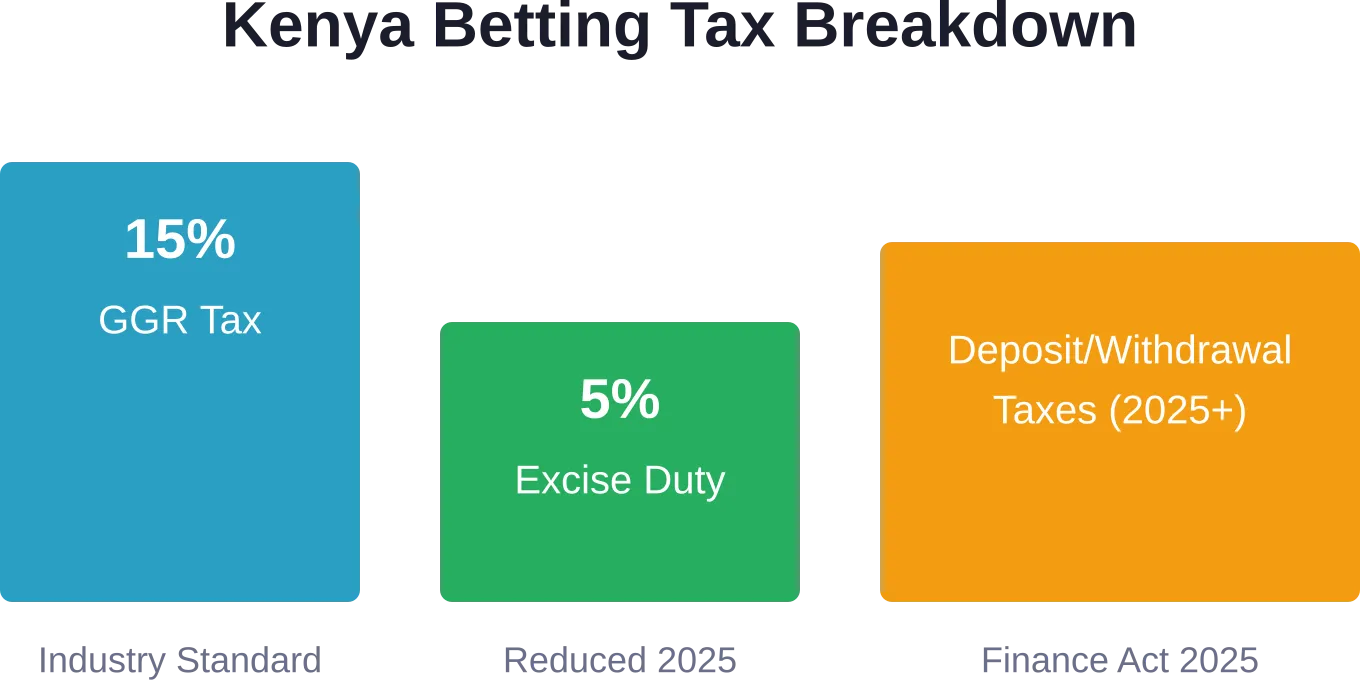
Kenya’s gambling taxation has evolved into a multi-layered structure. The Finance Act 2025 introduced changes to excise design, with a 15% tax on Gross Gaming Revenue (GGR) remaining a standard industry benchmark, providing a predictable revenue stream for operators while funding government priorities.
The framework also incorporates taxation on betting-related deposits and withdrawals, adding complexity to the compliance landscape and reflecting evolving fiscal policy approaches to the gambling sector.
The Gambling Control Bill 2023
Kenya’s regulatory framework is undergoing transformation. The National Assembly debated the mediated version of the Gambling Control Bill (National Assembly Bill No. 70 of 2023) in July 2025, signaling potential structural changes to oversight mechanisms.
Industry observers are watching closely. The bill could reshape licensing procedures, alter penalty structures, or redistribute regulatory authority. Real talk: this isn’t just legislative housekeeping—it’s a potential game-changer for how Kenya manages its betting sector going forward.
Conclusion
The Betting Control and Licensing Board remains Kenya’s regulatory cornerstone for gambling activities, balancing industry growth with consumer protection and revenue generation. With ongoing legislative reforms, stricter enforcement, and evolving taxation policies, operators must stay vigilant about compliance requirements.
For investors, operators, and stakeholders, understanding BCLB’s mandate, licensing processes, and enforcement patterns isn’t optional—it’s essential. Visit bclb.go.ke for the latest operator lists, licensing updates, and compliance directives.
Frequently Asked Questions
What does the Betting Control and Licensing Board do?
BCLB governs the authorization of lotteries and prize competitions while eradicating illegal gambling activities in Kenya. It issues licenses, monitors compliance, and enforces penalties for operators that breach regulations.
When was BCLB established?
The Betting Control and Licensing Board was formed in 1966 through the Betting, Lotteries and Gaming Act (Chapter 131 Laws of Kenya).
What is the tax rate for betting operators in Kenya?
Operators pay a 15% tax on Gross Gaming Revenue (GGR), a 5% excise duty, and additional taxes on deposits and withdrawals introduced by the Finance Act 2025.
How do I check if a betting operator is licensed in Kenya?
Visit the official BCLB website at bclb.go.ke, where the board maintains an updated list of all licensed operators. Any operator not on that list is operating illegally.
What happens to unlicensed betting operators?
BCLB has ordered shutdowns of over 50 unlicensed firms in recent enforcement campaigns. Unlicensed operators face immediate closure, penalties, and potential legal action.
Where is BCLB headquarters located?
BCLB operates from headquarters at ACK Garden Annex, 1st Ngong Avenue, Nairobi, though the organization has also been noted at Charity Sweepstakes House, 8th Floor, Mama Ngina Street, Nairobi.
What is the Gambling Control Bill 2023?
This bill, debated in July 2025, proposes reforms to Kenya’s gambling regulatory framework, potentially reshaping licensing procedures, oversight mechanisms, and penalty structures managed by BCLB.
Related Articles
September 30, 2026Is Sports Betting Legal in Brazil? The Full...

September 30, 2026Is Sports Betting Legal in Iran? The Real...