 Nothing found for the request
How to Help Someone with a Gambling Addiction
Sologe April 28, 2026
Share:


Quick Summary
Quick Summary: Helping someone with gambling addiction requires recognizing warning signs, approaching them with empathy rather than judgment, and connecting them to professional resources like therapy, support groups, and helplines. Treatment for gambling disorder—now recognized as a mental health condition—has proven effective, with studies showing over 90% of patients reducing gambling behaviors after intervention.
Watching someone struggle with gambling addiction is heartbreaking. The financial devastation, fractured relationships, and emotional turmoil create ripple effects that touch everyone close to the person.
But here’s the thing: gambling disorder is a treatable mental health condition. According to research from the University of Nevada, Las Vegas, more than 92 percent of patients either cut back or completely stopped gambling after treatment, with 94 percent spending less money per gambling outing. Those aren’t just numbers—they represent real people who turned their lives around with proper support.
The National Council on Problem Gambling estimates that approximately 5 million Americans meet the criteria for compulsive gambling. Yet only around 8 percent ever seek help. That gap between need and action is where concerned family members and friends can make a difference.
Understanding Gambling Disorder as a Mental Health Condition
The Diagnostic and Statistical Manual of Mental Disorders, Fifth Edition (DSM-5) reclassified gambling disorder into the “Substance-Related and Addictive Disorders” category. This wasn’t just bureaucratic reshuffling—it recognized that gambling addiction operates through similar brain mechanisms as substance dependencies.
According to the American Psychiatric Association, gambling disorder involves repeated and ongoing betting that continues despite creating multiple problems across several areas of life. Most people who gamble recreationally never develop problems. But for those who do, the consequences compound quickly.
Research published in the International Journal of Environmental Research and Public Health identifies that gambling problems involve multiple domains: financial hardship, psychological distress, emotional turmoil, relationship breakdowns, and even unemployment. The prevalence varies by region, but industrialized nations have seen steady increases, particularly since the 2018 Supreme Court ruling that expanded sports betting access.
The number of states with operational sportsbooks grew from 1 in 2017 to 38 in 2024, according to a UC San Diego study published in February 2025. This accessibility hasn’t come without costs—gambling addiction rates have surged in states following legalization.
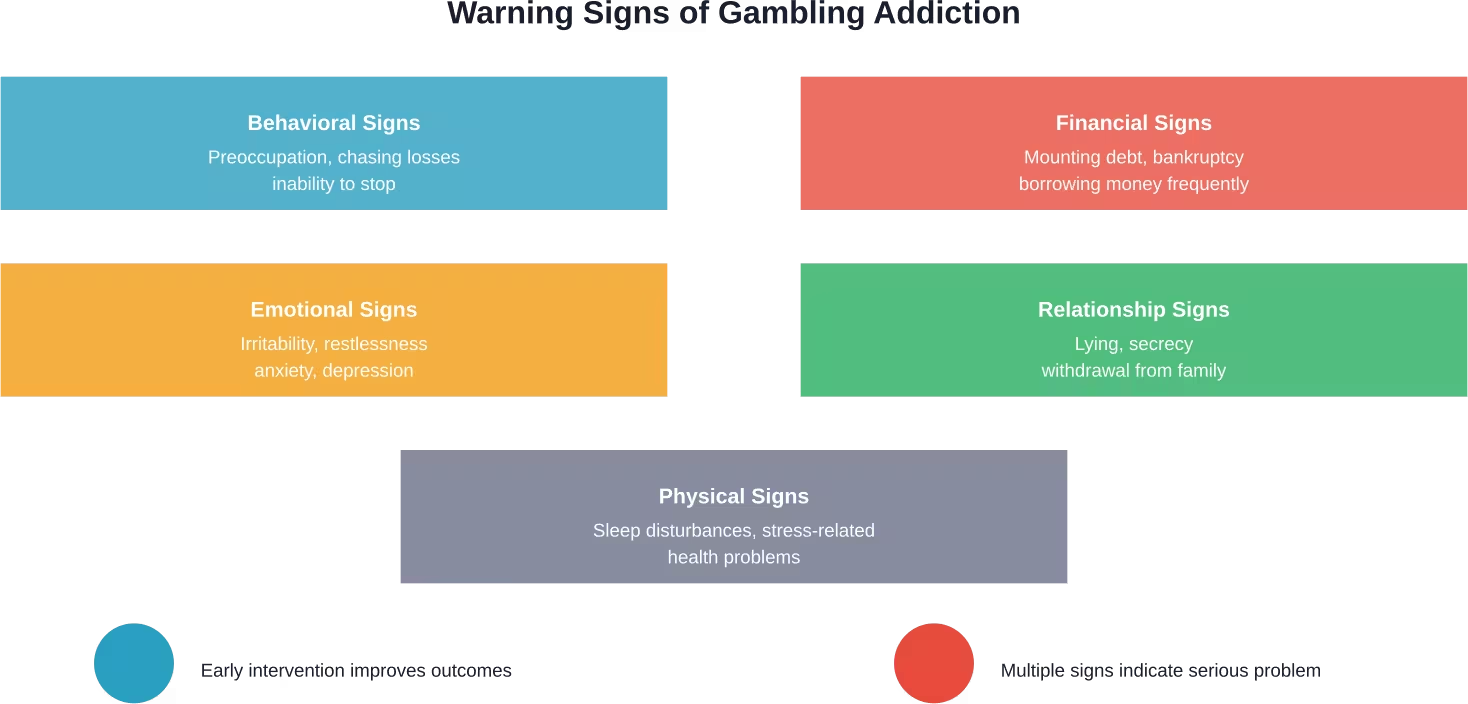
Recognizing the Warning Signs of Problem Gambling
Identifying gambling addiction early improves treatment outcomes. Watch for these behavioral patterns:
- Preoccupation with gambling—constantly thinking about past bets or planning the next wager
- Needing to bet increasing amounts to achieve the same excitement
- Repeated unsuccessful attempts to control or stop gambling
- Restlessness or irritability when trying to cut back
- Gambling to escape problems or relieve negative moods
- Chasing losses—returning to gamble more after losing money
- Lying to family members about the extent of gambling
- Jeopardizing relationships, jobs, or education opportunities
- Relying on others to provide money for desperate financial situations
The financial red flags are often impossible to hide for long. People with gambling problems are three times as likely to report being in debt than non-gamblers. Research shows that up to 20 percent of those engaging in problem gambling declare bankruptcy.
One study of treatment-seeking gamblers found that debts often reach tens of thousands of dollars. In some cases, 10 percent of patients had debts exceeding $100,000.
The Mental Health Connection You Can't Ignore
Gambling disorder doesn’t exist in isolation. Research from the National Institutes of Health shows that individuals with gambling disorder have an increased risk for suicide compared to the general population.
One study of treatment-seeking patients with gambling disorder reported that 32 percent had experienced suicidal ideation and 17 percent had attempted suicide at least once. These aren’t statistics to brush aside—they underscore why timely intervention matters.
Many people with gambling problems also struggle with co-occurring mental health conditions like depression, anxiety, or substance use disorders. Addressing gambling alone without treating underlying mental health issues rarely produces lasting recovery.
How to Start the Conversation Without Pushing Them Away
Approaching someone about their gambling requires careful planning. Accusations and ultimatums typically trigger defensiveness and denial.
Choose a calm, private moment when neither of you is rushed or stressed. Express concern without judgment: “I’ve noticed you seem stressed about money lately, and I’m worried about you.”
Focus on specific behaviors rather than character attacks. Instead of “You’re irresponsible with money,” try “I’ve noticed you’ve borrowed money several times recently, and I’m concerned about what’s happening.”
Listen more than you talk. Many people with gambling problems feel shame and isolation. Creating space for them to express their struggles without fear of immediate criticism can open pathways to help.
Real talk: they might not be ready to change. Addiction recovery operates on the person’s timeline, not yours. Planting seeds of concern and offering specific resources gives them tools when they’re ready to use them.
Treatment Options That Actually Work
According to research published by the National Institutes of Health, several psychological treatments show effectiveness for gambling disorder:
Cognitive Behavioral Therapy
CBT helps individuals identify distorted thinking patterns around gambling and develop healthier coping mechanisms. Research demonstrates strong evidence for CBT’s effectiveness in treating gambling disorders.
Motivational Interviewing
This counseling approach helps people resolve ambivalence about change. Brief motivational interventions can prevent escalation in subthreshold gamblers—those who meet fewer diagnostic criteria but still experience negative consequences.
Support Groups
Gamblers Anonymous operates on a 12-step model similar to Alcoholics Anonymous. According to Gamblers Anonymous, meetings require no dues or fees—participants simply show up and receive peer support from others who understand the struggle firsthand.
The organization offers in-person, virtual, and telephone meetings nationwide. For those hesitant about traditional meetings, virtual options provide accessibility and anonymity.
Professional Treatment Programs
Specialized gambling treatment clinics offer comprehensive approaches combining individual therapy, group counseling, financial planning assistance, and family therapy. Treatment intensity varies from outpatient counseling to residential programs for severe cases.
Treatment Type | Best For | Time Commitment | Accessibility |
|---|---|---|---|
Self-Help Resources | Early-stage awareness | Flexible | High (online, free) |
Gamblers Anonymous | Peer support seekers | Weekly meetings | High (nationwide) |
Outpatient Therapy | Moderate gambling problems | 1-2 hours weekly | Medium (insurance dependent) |
Intensive Outpatient | Severe problems, stable living | 9-20 hours weekly | Medium (specialized centers) |
Residential Treatment | Severe cases, unstable environment | 30-90 days full-time | Low (limited facilities) |
Immediate Resources and Where to Find Help
SAMHSA’s National Helpline (1-800-662-4357) provides free, confidential, 24/7 treatment referral and information services for individuals and families facing mental health and substance use disorders, including gambling disorder.
The National Problem Gambling Helpline (1-800-MY-RESET) connects callers with gambling-specific resources in their state. The National Council on Problem Gambling maintains state-by-state resource directories for localized support.
FindTreatment.gov, operated by SAMHSA, offers a confidential and anonymous search tool for locating treatment facilities across the United States and its territories.
State-specific resources vary considerably. Some states fund dedicated gambling treatment programs, while others integrate gambling disorder treatment into general behavioral health services. Contacting the national helplines can navigate these state variations.
Protecting Your Own Mental Health and Finances
Supporting someone with gambling addiction can drain caregivers emotionally and financially. Setting boundaries isn’t cruel—it’s necessary for sustainable support.
Don’t enable gambling by providing money. Paying off gambling debts might seem compassionate, but it often removes natural consequences that motivate change. Instead, help them connect with credit counseling and financial recovery resources.
Gam-Anon provides support specifically for family members and friends of problem gamblers. These meetings help loved ones understand the addiction, develop healthy boundaries, and process their own emotional responses.
Consider counseling for yourself. The stress of watching someone struggle with addiction creates real mental health impacts. Therapists specializing in family systems or addiction can provide tools for managing these challenges.
What to Do When They Refuse Help
Not everyone is ready for change when support is offered. Denial is a hallmark of addiction disorders.
Continue expressing concern without nagging. Plant information about resources where they can find it—leave a helpline number, send a link to Gamblers Anonymous meeting schedules, or share articles about gambling disorder.
Focus on consequences rather than moral judgments. “I can’t lend you money anymore” establishes a boundary. “You’re destroying this family” creates defensiveness without actionable change.
In crisis situations involving threats of self-harm, contact emergency services immediately. The elevated suicide risk in gambling disorder populations means taking such threats seriously.
Choose Partners to Build Responsible iGaming Products

Helping someone with gambling addiction highlights how much responsibility sits behind the products people use. For businesses, that responsibility starts with who they work with and how their solutions are built. Sologe is where iGaming companies go to present their products and connect with operators already active in the market. It gives vendors a clear way to be seen and operators a direct way to find new partners.
Discover iGaming Companies You Can Trust
Sologe gives companies a practical way to move forward:
- Show your product to operators already working in iGaming
- Find suppliers without relying on scattered contacts
- Keep your presence visible beyond short-term campaigns
- Turn interest into real business conversations
If you want to get your solution in front of the right companies or find partners faster, contact Sologe and start the conversation.
Frequently Asked Questions
Can someone recover from gambling addiction on their own?
Some individuals do recover independently, but research shows that professional treatment greatly improves success rates. Combining therapy with support groups often leads to the best long-term outcomes, especially for moderate to severe cases.
How long does gambling addiction treatment take?
Treatment length varies by individual needs. Outpatient therapy may last several months to a year, while intensive programs range from a few weeks to several months. Recovery is ongoing, and many people continue with support groups long after formal treatment ends.
Should I pay off their gambling debts to help them start fresh?
Generally no. Covering debts can remove consequences and unintentionally enable continued gambling. A better approach is helping the person access financial counseling, debt management programs, and structured recovery support.
What if they gamble again after treatment?
Relapse is common and does not mean failure. Recovery often includes setbacks. Encourage returning to treatment and support systems rather than giving up. Each attempt helps build stronger coping strategies over time.
Is gambling addiction covered by health insurance?
Many health insurance plans include coverage for gambling disorder under mental health benefits. Coverage varies, so it’s important to check directly with the provider or work with treatment centers that can verify benefits.
How do I know if it’s really an addiction or just recreational gambling?
The key differences are control and consequences. Recreational gamblers set limits and stop when needed. Addiction involves loss of control, continued gambling despite harm, preoccupation, and failed attempts to stop.
Can online gambling be just as addictive as casino gambling?
Yes. Online gambling can be equally or more addictive due to constant access, fast gameplay, and privacy. These factors can accelerate problematic behavior compared to traditional settings.
Moving Forward With Hope
Gambling disorder disrupts lives, but recovery is achievable. The research is clear: treatment works. Over 90 percent of people who engage with professionals help reduce their gambling behaviors.
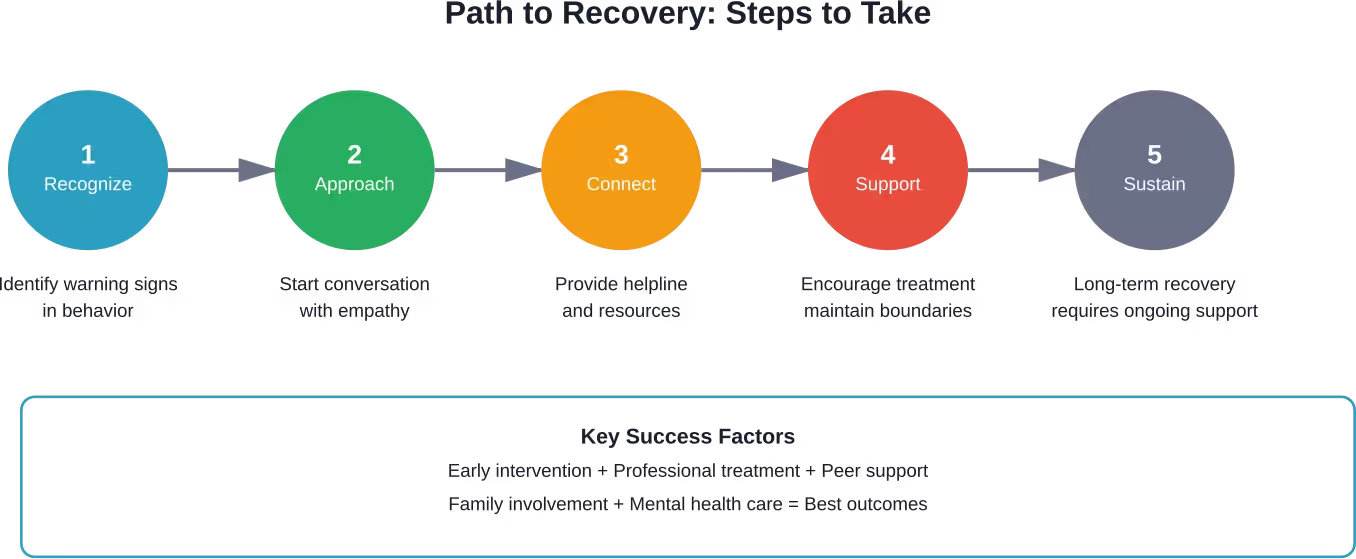
Your role as a supportive friend or family member matters enormously. Recognition, compassionate intervention, resource connection, and sustained support create the framework for someone to build recovery.
But remember—you can’t force someone to change. What you can do is provide information, express concern, establish healthy boundaries, and remain available when they’re ready to accept help.
If someone in your life is struggling with gambling addiction, reach out to the National Problem Gambling Helpline at 1-800-MY-RESET or visit SAMHSA’s FindTreatment.gov to locate treatment resources. For immediate crisis support, contact the 988 Suicide and Crisis Lifeline.
Recovery starts with a single step. Sometimes that step begins with someone who cares enough to say: I see you’re struggling, and I want to help you find support.
Related Articles

September 30, 2026Is Sports Betting Legal in Brazil? The Full...

September 30, 2026Is Sports Betting Legal in Iran? The Real...