 Nothing found for the request

Is Online Gambling Safe? Risks, Red Flags & How to Protect Yourself
Sologe April 28, 2026
Share:


Quick Summary
Quick Summary: Online gambling can be safe when using licensed, regulated platforms with proper security measures, but it carries inherent risks including financial harm, addiction potential, fraud exposure, and mental health impacts. Safety depends on choosing certified operators with transparent practices, practicing responsible gambling habits, and understanding warning signs of problem gambling. Between 0.12-5.8% of the global population develops gambling disorder, with higher rates among vulnerable groups.
The question “is online gambling safe?” doesn’t have a simple yes or no answer. Safety in online gambling operates on two distinct levels: technical security (protecting your money and personal data) and health safety (protecting yourself from gambling-related harms).
Both matter. And both require your attention.
While regulated online casinos employ sophisticated security measures and undergo rigorous testing, the industry still presents measurable risks. According to research published by the National Institutes of Health, gambling disorder affects approximately 0.12 to 5.8% of the global population. The Federal Trade Commission actively investigates gaming companies for deceptive practices, having sent $126 million in refunds to Fortnite players charged for unwanted purchases.
Here’s what you actually need to know about online gambling safety in 2026.
What Makes an Online Casino Technically Safe
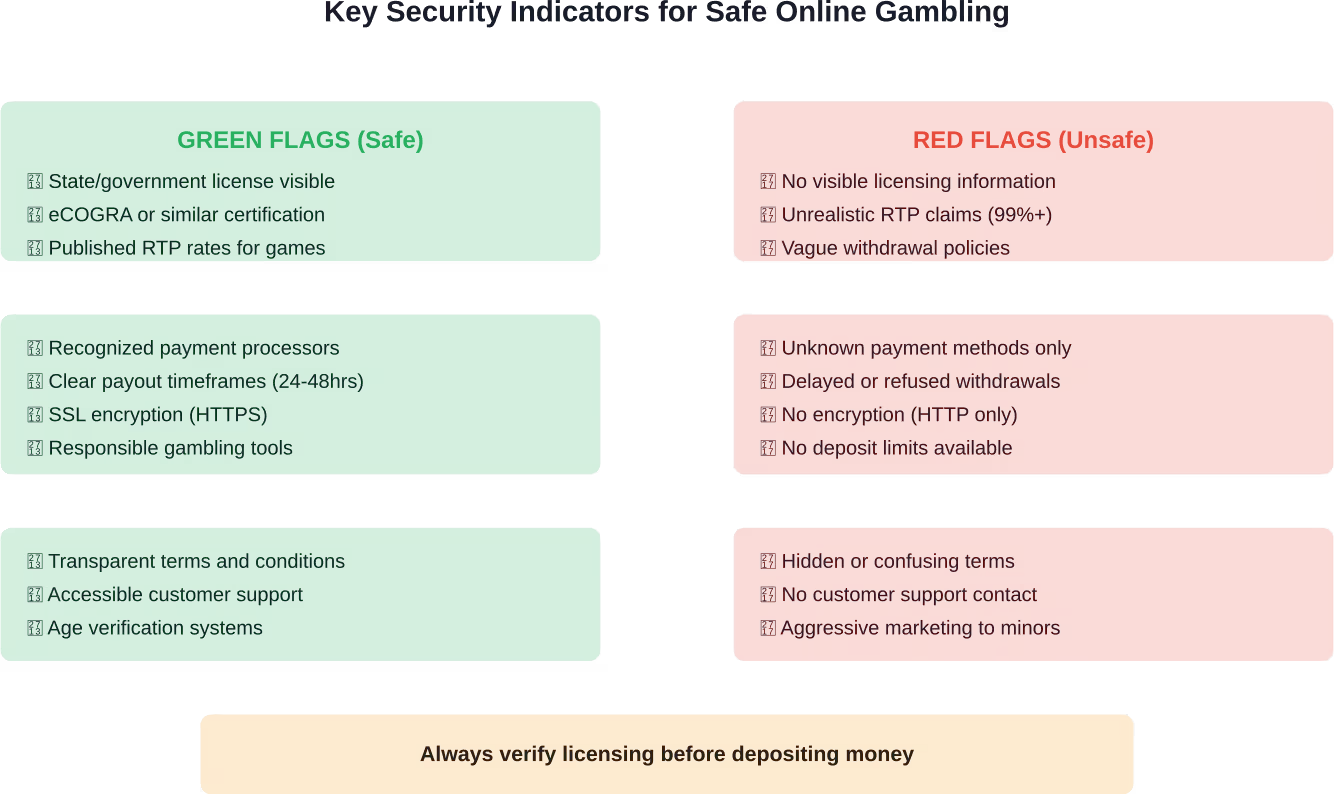
Technical safety centers on whether a platform will protect your funds, process withdrawals fairly, and safeguard your personal information. Legitimate operators invest heavily in security infrastructure.
Licensing and Regulatory Oversight
Licensed casinos operate under government oversight. In the United States, states like New Jersey, Michigan, Pennsylvania, West Virginia, and Connecticut regulate online gambling. These jurisdictions require operators to meet strict standards before issuing licenses.
Unlicensed platforms operate in a legal gray zone. The FBI has stated that most online gambling remains illegal under federal law, though state-regulated options exist. The Better Business Bureau has issued warnings about illegal gaming platforms that refuse payouts or disappear with customer funds.
Third-Party Testing and Certification
Organizations like eCOGRA (eCommerce Online Gaming Regulation and Assurance) provide independent testing and certification. They verify that Random Number Generators (RNGs) function properly, ensuring game outcomes remain truly random and unbiased.
eCOGRA tests RTP (Return to Player) rates, which indicate the percentage of wagered money a game returns to players over time. Trustworthy casinos disclose RTP rates for each game. If an operator claims unusually high rates (like 99.9% RTP on slots that typically pay 96%), that’s a red flag.
ISO/IEC 27001 certification demonstrates that a platform maintains information security management standards. This certification, recognized by online gambling regulators internationally, addresses data protection, cyber security, and operational integrity.
Payment Security Measures
Safe platforms use encryption protocols to protect financial transactions. They partner with established payment processors like PayPal, ACH transfers, and major credit cards. Payout speeds vary, but reputable operators typically process withdrawals within 24-48 hours.
Operators should clearly display accepted payment methods, withdrawal limits, and processing timeframes. Vague or hidden payment terms signal potential problems.
Understanding Gambling Harms
Technical security only addresses half the safety equation. The other half involves gambling’s impact on health, finances, and relationships.
Gambling harms affect not just the person gambling, but those around them. These harms take multiple forms.
Financial Harms
Financial difficulty represents the most visible gambling harm. People experiencing gambling problems may deplete savings, accumulate debt, or face bankruptcy. Bills go unpaid. Rent becomes unaffordable.
The accessibility of online gambling intensifies these risks. With platforms available 24/7 on smartphones, the barriers that once limited gambling frequency have disappeared.
Mental Health Impacts
Research published in the Journal of Gambling Studies identifies strong connections between gambling disorder and mental health conditions. Depression commonly co-occurs with problem gambling. Anxiety disorders appear at elevated rates among those with gambling problems.
A particularly concerning finding comes from CDC-published research examining casino accessibility and suicide rates. The study analyzed data from 50 US states from 2000 to 2016. After controlling for confounding factors, researchers found that casino density correlated with increased suicide mortality rates.
The study examined suicide mortality data during the period. Research found that casino accessibility correlated with increased suicide mortality rates.
Relationship and Social Harms
Gambling problems strain relationships. Partners may feel betrayed by hidden gambling or financial deception. Family members experience stress from financial instability. Trust erodes.
Social isolation often follows. People with gambling problems may withdraw from friends and family, either to hide their gambling or because shame prevents them from engaging socially.
Work performance suffers. Concentration decreases. Absences increase. Career trajectories change.
Who Faces Higher Risks
Gambling disorder doesn’t affect everyone equally. Research identifies specific populations that face elevated risks.
Prevalence Among Vulnerable Groups
Studies examining gambling disorder among homeless populations reveal particularly high rates. Research published in the Journal of Gambling Studies found that problem gambling and gambling disorder prevalence among homeless people ranged from 11.3% to 31.3%—dramatically higher than general population rates.
Men face higher risks than women, though the gap has narrowed as online gambling has expanded. Adolescents and young adults show elevated vulnerability. Minorities and immigrants also experience disproportionate impacts.
High-Risk Gambling Types
Not all gambling carries equal risk. Certain formats correlate with higher problem gambling rates.
Online casino games, particularly slots, present significant risks due to their rapid play speed and continuous availability. Players can complete hundreds of gambling events per hour, accelerating both wins and losses.
Sports betting has exploded in popularity following legalization in many states. The combination of sports fandom and gambling creates powerful engagement, but also increases harm potential.
Machines in bookmakers and pubs offer similar rapid-play characteristics. Fixed-odds betting terminals have faced regulatory scrutiny in multiple countries due to their association with problem gambling.
Gambling Type | Risk Level | Key Risk Factors |
|---|---|---|
Online Slots | High | Rapid play speed, 24/7 access, immersive design |
Sports Betting | High | Emotional attachment, live betting, frequency |
Online Poker | Moderate-High | Skill illusion, long sessions, community pressure |
Fixed-Odds Terminals | High | Rapid play, high stakes, isolation |
Lottery/Scratch Cards | Low-Moderate | Easy access, low awareness of odds |
Bingo | Low | Slower pace, social component |
Warning Signs of Problem Gambling
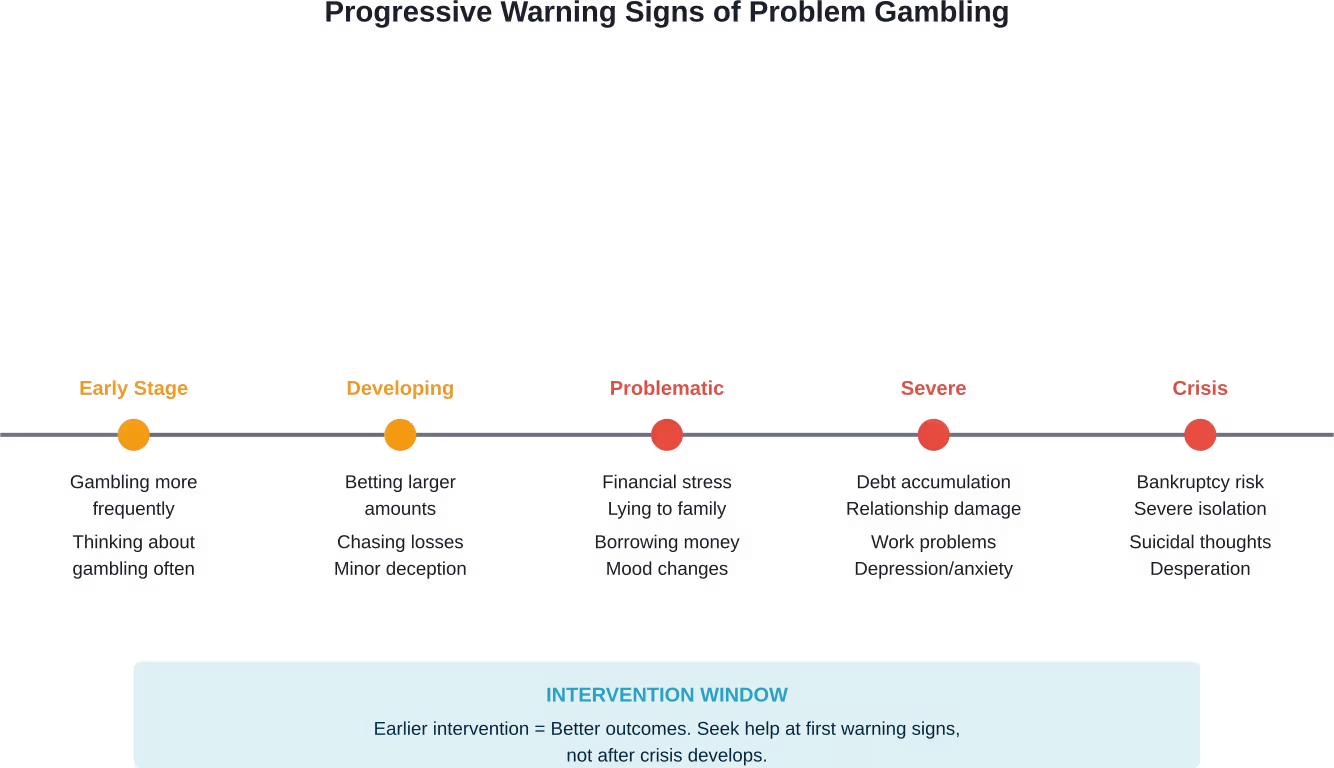
Recognizing warning signs early creates opportunities for intervention before harms escalate.
Behavioral signs include spending increasing amounts of time or money on gambling, chasing losses by continuing to gamble after losing, and lying to family or friends about gambling activities. People may become restless or irritable when attempting to reduce gambling.
Financial red flags include unexplained money problems, borrowing money frequently, selling possessions to fund gambling, or having utilities shut off due to unpaid bills despite having income.
Emotional indicators include preoccupation with gambling (constantly thinking about past gambling or planning the next session), gambling to escape problems or relieve feelings of helplessness or anxiety, and experiencing guilt or remorse after gambling.
Relationship changes matter too. Neglecting responsibilities at work or home, withdrawing from family activities, or becoming defensive when gambling is mentioned all signal potential problems.
How to Protect Yourself
Protection requires both choosing safe platforms and practicing responsible gambling behaviors.
Vetting Online Gambling Platforms
Before depositing money, verify licensing. Check the platform’s website footer or “About” section for license numbers and regulatory information. Cross-reference this information with the regulator’s official website.
Look for third-party certifications from organizations like eCOGRA. These seals should be clickable and link to verification pages on the certification provider’s website.
Read terms and conditions, particularly sections covering withdrawals, bonuses, and account closure. Predatory operators hide unfair terms in fine print.
Check independent reviews, but remain skeptical. Some review sites receive affiliate commissions and may not provide objective assessments. Look for reviews from multiple sources.
Test customer support before depositing. Contact them with questions and evaluate response time and helpfulness.
Setting Personal Limits
Decide on gambling budgets before playing. Determine how much money can be lost without causing financial hardship. Never gamble with money needed for essentials.
Set time limits. Online gambling’s constant availability makes it easy to lose track of time. Use alarms or app timers to enforce breaks.
Many regulated platforms offer built-in tools for deposit limits, loss limits, and session time limits. Use them. These tools exist because they work.
Never chase losses. The most common path to problem gambling involves trying to win back money already lost. Accept losses and walk away.
Recognizing Manipulation Tactics
Online gambling platforms use sophisticated design techniques to encourage continued play. Understanding these tactics helps resist them.
Near-misses (landing just short of a big win) are often programmed into slot games to create the illusion that a win is coming soon. It’s not.
Free bonuses and promotional credits come with wagering requirements. A $100 bonus might require $3,000-$5,000 in wagers before withdrawal becomes possible.
Loss disguised as wins occur when a spin returns less than the bet amount but celebrates as though it were a win. Betting $5 and winning $2 is still losing $3, despite the celebratory sounds.
VIP programs and loyalty rewards encourage higher spending to reach the next tier. The perceived value rarely justifies the additional gambling required.
Build Safe iGaming Partnerships from Day One

Online gambling safety is not only about what players see on the screen. For businesses, it also depends on the platforms, payment providers, software, and service partners behind the product. Sologe is a B2B iGaming marketplace where operators can search for suppliers, and vendors can present their solutions to companies that need reliable partners. It helps both sides move away from scattered contacts and make business discovery more structured.
Choose the Best Partners Risk-Free
Sologe gives iGaming companies a clearer way to check, compare, and connect:
- Browse products, platforms, software, and services in one place
- Help operators find relevant suppliers faster
- Give vendors year-round visibility to business buyers
- Start direct conversations before moving into cooperation
Contact Sologe to discuss how your company can find better partners or get discovered by the right iGaming businesses.
When Gambling Becomes a Problem
Recognizing that gambling has become problematic represents the first step toward addressing it.
Self-Assessment
Several screening tools exist to help identify gambling problems. These typically ask questions about gambling frequency, financial impact, emotional responses, and relationship effects.
Key questions include: Do you gamble more than you can afford to lose? Do you need to gamble with increasing amounts to achieve the same excitement? Have you tried to cut back and failed? Do you feel restless when not gambling?
Answering yes to multiple questions suggests professional evaluation may help.
Finding Support
Multiple resources exist for gambling problems. The National Council on Problem Gambling operates a confidential helpline. Many states offer free gambling counseling services.
Support groups like Gamblers Anonymous use peer support models similar to Alcoholics Anonymous. These groups meet locally and online.
Professional treatment programs address gambling disorder through individual therapy, group therapy, and sometimes medication for co-occurring conditions like depression or anxiety.
According to research in the Journal of Gambling Studies, treatment approaches with empirical support include cognitive-behavioral therapy, motivational interviewing, and self-exclusion programs combined with counseling.
Self-Exclusion Programs
Most regulated jurisdictions maintain self-exclusion registries. People can voluntarily add themselves to these lists, which prohibit gambling operators from accepting their business.
Self-exclusion periods typically range from six months to lifetime bans. Breaking self-exclusion can result in forfeiture of winnings.
These programs work best as part of comprehensive treatment, not as standalone solutions.
Fraud and Scam Risks
Beyond legitimate gambling risks, outright fraud poses additional dangers.
Common Gambling Scams
Unlicensed casinos may rig games beyond normal house edges, refuse to pay winnings, or simply disappear with deposited funds. The Better Business Bureau has documented numerous complaints about platforms that accept deposits but never process withdrawals.
Phishing scams impersonate legitimate gambling sites to steal login credentials and financial information. Always verify URLs before entering sensitive data.
Bonus abuse schemes promise guaranteed wins through matched betting or bonus exploitation. While matched betting itself is legal, many schemes charge upfront fees and provide worthless information.
Identity theft occurs when platforms lack proper security. Data breaches can expose personal information, leading to fraudulent accounts or credit applications.
Reporting Fraud
The Federal Trade Commission accepts fraud reports through reportfraud.ftc.gov. These reports help the FTC identify patterns and take enforcement action.
State gaming regulators investigate complaints about licensed operators. Most regulatory websites include complaint submission forms.
Local law enforcement should be contacted if fraud involves identity theft or stolen funds.
The Broader Context: Gambling and Public Health
Public health researchers increasingly frame gambling harms as a population health issue rather than purely an individual problem.
This perspective recognizes that gambling harm rates correlate with gambling availability. As legal gambling has expanded across the United States, exposure has increased dramatically. The CDC-published research on casino density and suicide rates exemplifies this public health approach.
Research examining minority populations reveals disparities in gambling disorder prevalence and access to treatment. According to studies published in Current Addiction Reports, racial and ethnic minorities constitute approximately a third of the population (expected to become the majority by 2050) and experience disproportionate gambling harms.
International migration adds complexity. In 2015, the number of international migrants worldwide reached 244 million, an increase of 71 million or 41%, compared to 2000. However, as of 2020, this number rose to 281 million.These populations face unique vulnerabilities regarding gambling harms.
Looking Forward: Emerging Concerns
Several trends suggest gambling safety challenges may intensify.
Cryptocurrency gambling operates in regulatory gray areas. These platforms often lack licensing and player protections available on regulated sites.
Social casino games blur lines between gaming and gambling. While these apps don’t involve real-money wagering directly, they normalize gambling mechanics and may serve as gateways to real-money gambling.
Esports betting attracts younger demographics. The combination of video game culture and gambling creates engagement among populations with limited gambling experience.
Virtual reality gambling remains nascent but presents concerns about increased immersion and engagement intensity.
Academic research continues examining cybersecurity risks specific to casino gaming, darknet gambling operations, and money laundering through gaming platforms. These technical challenges evolve as rapidly as the technology itself.
Frequently Asked Questions
Are online casinos rigged?
Licensed, regulated online casinos are not rigged in the traditional sense. Their games use Random Number Generators (RNGs) tested by independent labs like eCOGRA to ensure fairness. However, all games include a built-in house edge, meaning players lose over time on average. Unlicensed casinos may use unfair software, so verifying regulation is essential.
How can I tell if an online casino is legitimate?
Look for valid licensing from recognized authorities, visible on the website. Verify third-party certifications (e.g., eCOGRA), check independent reviews, test customer support, and review payment methods. If licensing details are unclear or hidden, avoid the platform.
What percentage of online gamblers develop gambling problems?
Research suggests that gambling disorder affects approximately 0.12% to 5.8% of the population globally. However, risk is higher in vulnerable groups. Online gambling’s accessibility may increase the likelihood of developing problematic behaviors compared to traditional gambling.
Can online gambling platforms track and limit my gambling?
Yes, licensed platforms provide responsible gambling tools such as deposit limits, loss limits, session limits, and self-exclusion. These tools must typically be activated by the user. Some regulators require monitoring and intervention, but effectiveness varies by jurisdiction.
Is it safe to use cryptocurrency for online gambling?
Cryptocurrency gambling carries additional risks. Many platforms lack regulation, and transactions are irreversible with limited consumer protection. If used, ensure the platform is licensed and understand that dispute resolution options may be limited.
What should I do if an online casino refuses to pay my winnings?
Review the terms to ensure compliance, document all interactions, and contact support. If unresolved, file a complaint with the licensing authority. You can also report fraud to relevant authorities and warn others through trusted review platforms. Legal consultation may be necessary for significant amounts.
Are there safe alternatives to real-money online gambling?
Yes. Options include social casinos, free-to-play games, and skill-based competitions without monetary stakes. While these remove financial risk, they may still encourage gambling-like behaviors. The safest option is choosing alternative forms of entertainment altogether.
Final Thoughts
So, is online gambling safe? The answer depends on your definition of safety and your approach.
Technically secure platforms exist. Licensed operators invest in encryption, undergo testing, and process payments reliably. Choosing regulated casinos over unlicensed operations dramatically reduces fraud risk.
But technical security doesn’t address the inherent risks of gambling itself. The data is clear: gambling harms affect millions of people, contributes to mental health problems, and correlates with increased suicide rates in areas with high gambling density.
For most people, occasional recreational gambling on licensed platforms carries manageable risk. For others—particularly those with mental health vulnerabilities, financial stress, or personal or family history of addiction—gambling presents serious dangers.
The safest approach involves honest self-assessment, choosing only licensed platforms, setting strict limits, and remaining alert for warning signs. If gambling stops being fun and starts feeling necessary, that’s the moment to step back and seek support.
Protection requires both external safeguards (licensing, certification, security) and internal controls (self-awareness, limits, willingness to stop). Neither alone is sufficient.
If you choose to gamble online, do so with full awareness of the risks, clear limits on what you can afford to lose, and immediate willingness to seek help if problems emerge. And remember: the house always has an edge. Always.
Related Articles

September 30, 2026Is Sports Betting Legal in Brazil? The Full...

September 30, 2026Is Sports Betting Legal in Iran? The Real...